Tattoo removal is a growing field with many seeking to erase past ink choices. A common question arises among clients: "How many sessions are needed for tattoo removal?" According to Dr. John Smith, a leading expert in laser tattoo removal, "The number of sessions varies widely, but on average, patients require about 6 to 10 treatments." This statement reflects the diverse factors influencing tattoo removal.
Industry data shows that various aspects, such as ink type, skin tone, and tattoo size, play critical roles in the process. Studies indicate that darker inks are generally easier to remove than lighter ones. However, some clients expect results after just a few sessions, often leading to frustration. It's crucial to set realistic expectations for effective treatment outcomes.
Moreover, the advancements in laser technology have improved the efficiency of tattoo removal. Despite these advancements, there remains a significant variance in the number of sessions required for complete removal. Each client’s skin reacts differently, and thus, personalized consultations are vital. Understanding the complexity of this process helps clients remain patient and invested in their tattoo removal journey.
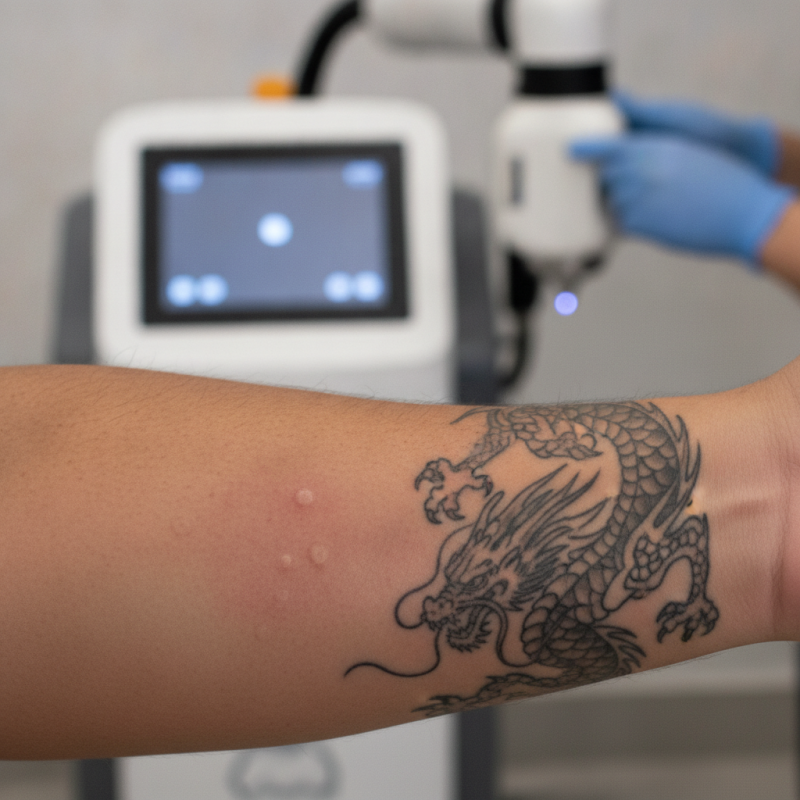
Understanding Tattoo Removal: An Overview of Techniques and Methods
Tattoo removal is a nuanced process. Various techniques exist, each with its own effectiveness. Understanding these methods is essential for anyone considering removal.
Laser removal is highly popular. It involves using light beams to break down ink particles in the skin. This method may require multiple sessions. Some experience discomfort during treatment. It’s essential to discuss pain management options beforehand.
Another method is dermabrasion. This technique sands the skin to remove the top layers where ink resides. The recovery can take longer with this approach. Expect potential redness and swelling post-treatment.
Tips: Always consult a certified professional. Research their experience and techniques. Many share before-and-after photos of their work. Having realistic expectations can mitigate disappointment. Remember, not all tattoos come off completely. Be open to discussing alternatives if results aren’t ideal. Each method has its pros and cons. Understanding these will help you make an informed choice.
Factors Influencing the Number of Sessions for Effective Tattoo Removal
When it comes to tattoo removal, the number of sessions needed can vary greatly. Many factors influence this, including tattoo size, ink type, and skin type. Larger tattoos typically require more sessions. Darker inks are often harder to remove than lighter shades. This can lead to unexpected outcomes, even after several treatments.
Skin condition plays a vital role too. Healthy skin tends to respond better to removal treatments. Factors like age and skin sensitivity can complicate the process. Some individuals may experience side effects like scarring or pigmentation changes. These complications can lead to a longer healing time or the need for additional sessions.
Moreover, the tattoo's age can influence the outcome. Older tattoos may fade more easily than newer ones. It's essential to set realistic expectations. Many people hope for quick results but must be prepared for a lengthy journey. Each person's experience can differ significantly. Embrace the unpredictability of the process, and consult with professionals to ensure effective and safe removal.
Top 10 Sessions Needed for Effective Tattoo Removal
The chart above illustrates the average number of sessions required for effective tattoo removal across different factors influencing the process, such as ink color, tattoo size, and skin type. These variables significantly affect the overall treatment duration.
The Role of Laser Technology in Tattoo Removal Processes
Laser technology plays a pivotal role in tattoo removal. This method utilizes high-intensity light beams to break down tattoo pigment particles. Studies indicate that patients need an average of 5 to 10 sessions for optimal results. Each session can vary based on tattoo size, color, and skin type.
Different laser wavelengths target specific ink colors. For example, longer wavelengths are effective for black and dark inks, while shorter wavelengths handle brighter colors. A 2021 report from the Journal of Cosmetic Dermatology highlighted that over 80% of patients achieve satisfactory results after completing the recommended sessions. However, factors like skin type and healing response can affect outcomes.
Though laser treatment is generally safe, it is essential to manage expectations. Some individuals may experience side effects, such as skin irritation or discoloration. Not every tattoo will fade completely, and a careful assessment is necessary before beginning treatment. With the right approach, laser technology remains the most effective method for tattoo removal.
Aftercare Practices to Enhance Tattoo Removal Results
Aftercare practices play a crucial role in enhancing tattoo removal results. Proper care after each session can significantly affect skin healing and pigment fading. Keeping the treated area clean is vital. Gently wash it with mild soap and avoid scrubbing. Patting it dry is better than rubbing to prevent irritation.
Moisturizing the skin is equally important. Using a suitable, fragrance-free lotion can help keep the area hydrated. Avoid picking at scabs or crusts, as this can lead to scarring and poor results. Sun exposure can hinder healing, so keep the skin covered when outdoors. Use sunscreen on areas not covered if exposure is unavoidable.
Tracking your skin's response after each session can provide insights into your healing process. Take notes on any redness, discomfort, or changes in pigmentation. This reflection can help you communicate effectively with your practitioner. Not everyone heals the same way, and sometimes adjustments are necessary. Patience with the process is essential; results may take time, and sometimes they may not be as expected. Understanding this can lead to a more satisfactory tattoo removal journey.
Expected Outcomes and Timeframes for Tattoo Removal Sessions
Tattoo removal involves multiple sessions for effective results. The number of sessions varies based on factors like tattoo size, color, and skin type. Generally, a minimum of six sessions is recommended for complete removal. Each session can result in visible fading, but don’t expect instant results.
For optimal outcomes, timing is crucial. Each session should be spaced about six to eight weeks apart. This interval allows your skin to heal and the body to flush out ink particles effectively. Be patient; significant progress may take time. Some colors, like greens and blues, are harder to remove. You might require more sessions than anticipated.
**Tips:** Consider consulting a professional who can evaluate your tattoo. They will help in designing a personalized removal plan. Stay hydrated and maintain healthy skin. This can enhance healing after each session.
Healing doesn’t happen overnight. You might experience discomfort or skin changes. Listening to your body is key. Always report any unusual reactions to your practitioner. A knowledgeable provider is essential for safe removal. Trust their expertise throughout this process. Remember, every tattoo tells a story, and the removal journey is a reflection of personal growth.
Top 10 Sessions Needed for Effective Tattoo Removal
| Session Number |
Expected Outcome |
Duration (weeks) |
Skin Recovery Time |
| 1 |
Fading of tattoo |
4 weeks |
2 weeks |
| 2 |
Further reduction in ink visibility |
4 weeks |
2 weeks |
| 3 |
Significant fading |
6 weeks |
3 weeks |
| 4 |
Further clarity |
6 weeks |
3 weeks |
| 5 |
Substantial fading |
8 weeks |
4 weeks |
| 6 |
Near complete removal |
8 weeks |
4 weeks |
| 7 |
Final adjustments |
10 weeks |
4 weeks |
| 8 |
Resolution of scarring (if any) |
12 weeks |
5 weeks |
| 9 |
Final evaluation |
4 weeks |
2 weeks |
| 10 |
Full recovery |
Varies |
Varies |
FAQS
: Laser technology uses high-intensity light beams to break down tattoo pigment particles.
Patients typically need 5 to 10 sessions, depending on the tattoo’s size, color, and skin type.
Tattoo size, color, skin type, and individual healing response all impact removal success.
Yes, some people may experience skin irritation or discoloration after treatment.
It is recommended to space sessions about six to eight weeks apart for proper healing.
No, some colors, like greens and blues, are more challenging and may require extra sessions.
Listen to your body and report any unusual reactions to your practitioner immediately.
Not every tattoo will fade completely; results can vary based on numerous factors.
Consult a professional for a personalized plan and keep your skin healthy and hydrated.
Significant progress takes time, and each session gradually reduces tattoo visibility.
Conclusion
The process of tattoo removal typically involves multiple sessions, raising the question: "How many sessions are needed for tattoo removal?" Various factors influence the effectiveness and duration of treatment, including the type and color of ink used, the size of the tattoo, and the individual's skin type. Laser technology plays a crucial role in the removal process, breaking down ink particles for the body to eliminate.
Aftercare practices are essential in enhancing the results of tattoo removal sessions, promoting healing and optimal outcomes. Generally, clients can expect a series of sessions spaced several weeks apart, with significant improvements observed over time. Understanding these elements is vital for anyone considering tattoo removal, ensuring they are well-informed about the journey to clear skin.
