Why is my tattoo removal blistering? After laser treatment, the skin may form small blisters because concentrated energy has disrupted tattoo pigment and irritated the surrounding tissue. This reaction can look alarming, but mild blistering is often part of the healing process. It still deserves careful attention. As dermatologist and laser specialist Dr. Davin Lim explains, “Blistering is a sign that the skin needs protection, not punishment.” The exact wording of clinical advice may vary, but the principle remains important.
Safe aftercare begins with clean hands and gentle cleansing. Do not puncture, peel, or scratch the blisters. That tempting shortcut can expose raw skin and increase infection risk. Cover the area with a sterile, non-stick dressing if clothing rubs against it. A thin layer of plain petroleum ointment may help prevent cracking, unless your clinician advised otherwise. Keep the area away from swimming pools, hot tubs, intense sunlight, and heavy friction while it heals.
Healing is rarely perfectly predictable. I would not assume every blister is harmless. Contact your treatment provider if pain worsens, redness spreads, swelling increases, or yellow drainage appears. Fever also needs prompt medical advice. Darkening, scabbing, or temporary color changes may occur, especially with deeper treatments or darker skin tones. Do not apply alcohol, hydrogen peroxide, harsh acids, or unapproved creams. Those products can delay repair.
Your provider’s instructions should guide the final decision, because laser type, tattoo color, skin tone, and treatment settings all matter. When doubt remains, send a clear photograph to the clinic rather than guessing.
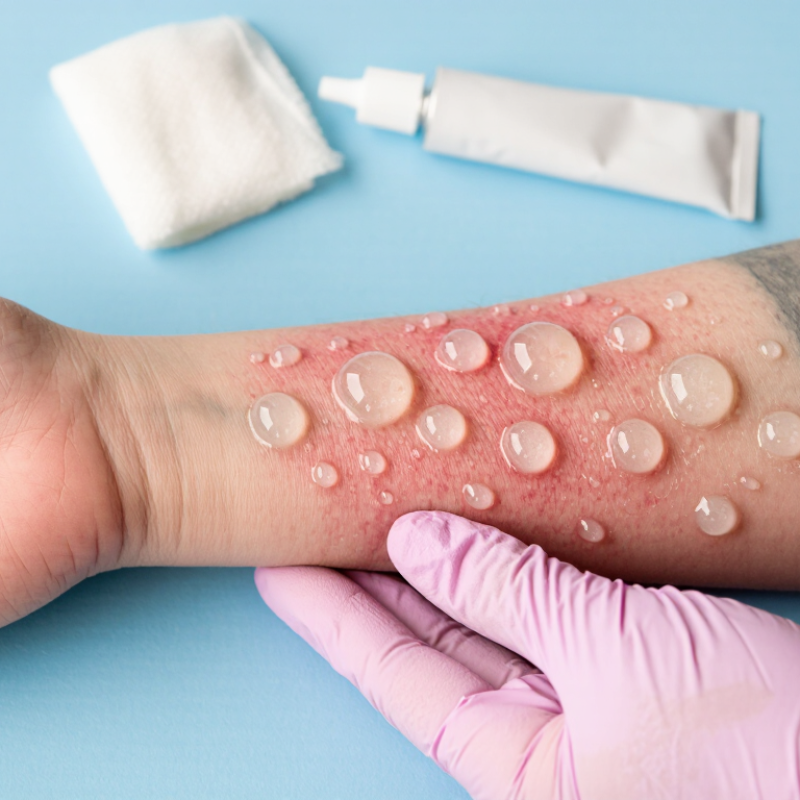
Blisters can appear when laser energy breaks tattoo pigment beneath the skin. The treatment creates controlled heat, and fluid may collect between injured skin layers. This response is usually temporary, not automatically a sign of poor treatment.
Clinical reviews commonly report short-term blistering in approximately 10% to 30% of laser tattoo-removal sessions, although results vary by skin tone, ink density, laser settings, and treatment area. The U.S. Food and Drug Administration lists blistering, crusting, swelling, and pigment changes among recognized risks. These figures deserve caution because studies use different follow-up periods and definitions.
Keep the area clean and dry. Wash gently with lukewarm water, then pat it dry with clean gauze. Do not puncture the blister. The roof protects new skin underneath. A loose, non-stick dressing can reduce friction from clothing. Avoid swimming, saunas, heavy sweating, and direct sunlight while the skin remains open or crusted.
Seek medical care if redness spreads, pain increases, pus develops, fever appears, or the area feels unusually hot. These signs may suggest infection, although irritation can look similar during early healing. I have seen aftercare advice oversimplified; “natural healing” is not always enough. A qualified clinician should review severe swelling, delayed healing, or changing pigmentation, especially in darker skin tones.
After tattoo removal, blisters can form as the skin responds to controlled energy. They may look tense, clear, or slightly yellow. Do not puncture them. The blister roof helps protect delicate skin underneath. Before touching the area, wash your hands with soap and water. Clean the treated skin gently with lukewarm water and a mild, fragrance-free cleanser. Avoid scrubbing, alcohol, and hydrogen peroxide.
Pat the area dry with clean gauze or a soft towel. Rubbing can tear the blister. If clothing causes friction, cover the skin with a sterile, non-stick dressing. Change it when it becomes wet or dirty. Keep the dressing loose enough for airflow. Use only ointments recommended by your treatment professional. Thick, unapproved products may trap moisture and irritate healing skin.
A common mistake is over-cleaning. More washing does not mean faster healing. Keep the area away from swimming pools, hot tubs, direct sunlight, and intense exercise until the skin closes. Do not peel flakes or scabs, even when itching becomes distracting. Contact a qualified medical professional if redness spreads, pain worsens, swelling increases, or drainage becomes thick and foul-smelling. Fever also needs prompt attention. Healing can look uneven, and that can be unsettling. When instructions conflict, the clinician who examined your skin should guide care.
Blisters can appear after laser tattoo removal as the skin releases heat and pigment. They may look tense, clear, or slightly bloody. Keep the area clean and avoid touching it unnecessarily. Wash gently with lukewarm water and mild soap. Pat it dry with a clean towel. Do not scrub.
Never pop a blister yourself. Its outer layer helps protect sensitive skin from bacteria. Apply a cool, clean compress for ten minutes to ease swelling and burning. Avoid placing ice directly on the skin. Wear loose clothing if the treated area rubs against fabric. Pain medicine may help, but follow the label and ask a healthcare professional about possible interactions.
A common mistake is treating discomfort as proof that healing is failing. Mild tenderness, redness, and swelling can be expected. Worsening pain deserves attention. Contact the treating clinician if redness spreads, pus develops, fever occurs, or the skin becomes increasingly warm. Seek urgent medical care for severe swelling, breathing difficulty, or widespread hives.
Do not apply alcohol, peroxide, harsh creams, or home remedies unless a qualified professional recommends them. Keep the blister covered only as directed, especially if it breaks. I would not assume every blister heals at the same speed; skin tone, treatment intensity, and aftercare can change the timeline. Avoid picking flakes, even when they itch.
Blisters after tattoo removal can look alarming, but mild swelling, redness, and clear fluid may reflect a normal inflammatory response. The American Academy of Dermatology advises that tattoo removal often requires six or more laser sessions. Each session can restart the healing process. A small blister should remain clean, dry, and protected from friction. Do not pop it. Wash gently with clean water, pat dry, and follow your clinician’s dressing instructions.
Safe healing usually shows less redness, reduced tenderness, and a dry surface within several days. Seek medical assessment if pain increases, redness spreads, or drainage becomes yellow, thick, or foul-smelling. Fever, red streaks, or rapidly worsening swelling need prompt attention. The U.S. Food and Drug Administration warns that laser procedures can cause infection, pigment changes, and scarring. Skin color changes may last longer than the blister itself. I would not judge healing by appearance alone.
Tips: Use loose clothing and avoid swimming, hot tubs, picking, and direct sunlight. Apply only products recommended by a qualified medical professional. A 2023 review of laser tattoo-removal complications described blistering and pigment changes as recognized adverse effects, although reported rates vary by laser type and skin characteristics. That variation matters. Individual aftercare advice can be imperfect, especially when darker skin, medication use, or previous scarring is involved. Photograph changes daily, and contact the treating clinic when the pattern feels different rather than waiting.
| Healing Stage or Issue | What May Be Normal | Safe Care Steps | Avoid | When to Contact a Healthcare Professional |
|---|---|---|---|---|
| First 24–48 hours | Redness, swelling, tenderness, warmth, pinpoint bleeding, and clear or pale-yellow fluid-filled blisters can occur after laser treatment. | Wash hands before touching the area. Follow the treating clinician’s dressing instructions. Keep the area clean and protected from friction. | Do not scrub, scratch, shave over the area, or apply unapproved creams, alcohol, or hydrogen peroxide. | Seek advice if pain or swelling is severe, rapidly worsening, or not controlled by the aftercare plan. |
| Intact blisters | Small, intact blisters may gradually flatten as the skin repairs itself. | Leave blisters intact whenever possible. Cover loosely with a clean, non-stick dressing if clothing or movement causes rubbing. | Do not intentionally puncture, peel, or remove the blister roof; it provides a natural protective barrier. | Contact the clinician if blisters are extensive, very painful, repeatedly refilling, or located near the eyes or another sensitive area. |
| Blister opens accidentally | A small amount of clear fluid and mild soreness may occur after the blister roof breaks. | Gently rinse with clean water and mild soap if advised, pat dry, and apply a sterile non-stick dressing. Change the dressing when wet or dirty. | Do not tear away attached skin, use adhesive directly on the wound, or expose it to pools, hot tubs, or natural bodies of water. | Get medical advice if the wound is deep, heavily bleeding, contaminated, or fails to improve. |
| Days 3–7 | Blisters may dry, flatten, or form a thin crust. Tenderness and redness should generally begin to lessen rather than intensify. | Continue gentle cleansing and protection. Wear loose, clean clothing and reduce friction or pressure on the treated skin. | Do not pick crusts, exfoliate, wax, or use heat-based treatments on the area. | Arrange an assessment if redness expands, pain increases, drainage becomes cloudy, or the skin develops worsening swelling. |
| Safe healing signs | Less redness, reduced swelling, decreasing discomfort, dry or clean wound edges, and no new blisters. | Take photographs only for monitoring if helpful, and attend follow-up appointments recommended by the treatment provider. | Avoid assuming that fading pigment or temporary color changes mean the skin is fully healed. | Seek advice if improvement stops or symptoms begin worsening after an initial improvement. |
| Possible infection | Increasing pain, spreading redness, heat, swelling, pus-like drainage, foul odor, red streaks, or fever are not typical healing signs. | Keep the area covered with a clean dressing and contact a healthcare professional promptly for an examination. | Do not self-treat with leftover antibiotics or squeeze the wound. | Urgent medical evaluation is appropriate for fever, rapidly spreading redness, severe pain, confusion, or feeling significantly unwell. |
| Allergic or severe skin reaction | Widespread hives, intense itching, rapidly increasing swelling, or a rash extending beyond the treated area may indicate a reaction. | Stop any newly applied product and contact a healthcare professional for individualized guidance. | Do not apply additional products to “counteract” the reaction without medical advice. | Call emergency services for difficulty breathing, swelling of the lips or tongue, faintness, or widespread blistering. |
| Color or texture changes | Temporary lightening, darkening, pinkness, or mild textural change can occur during recovery and may take weeks or months to settle. | After the skin has fully closed, protect it from ultraviolet exposure with clothing and broad-spectrum sunscreen as advised by a clinician. | Do not expose healing skin to tanning beds or intentional sunbathing. | Discuss persistent raised scars, depressed scars, major color changes, or delayed healing with a qualified professional. |
| Higher-risk situations | Healing may require closer monitoring in people with diabetes, immune suppression, poor circulation, a history of abnormal scarring, or active skin disease. | Follow the treatment provider’s plan and disclose relevant medical conditions and medicines before or after treatment. | Do not delay care because the wound appears small. | Contact a healthcare professional early if healing is slower than expected or any complication is suspected. |
Important: Aftercare instructions can vary by laser type, treatment intensity, skin condition, and medical history. The treating clinician’s instructions should take priority. This table is general educational information and does not replace professional medical assessment.
After tattoo removal, small blisters can develop as the skin reacts to laser heat. Do not puncture them. The fluid protects sensitive tissue beneath the surface.
Gently wash the area with clean water and mild soap. Pat it dry with a fresh towel. Cover it with a sterile, non-stick dressing if clothing rubs against it.
Contact a medical professional if pain becomes severe, swelling spreads, or the skin feels unusually hot. Yellow drainage, worsening redness, a foul smell, or red streaks may indicate infection.
Seek urgent care for fever, facial swelling, breathing difficulty, or widespread hives. These symptoms can signal a serious reaction. Do not wait for them to disappear.
A blister larger than a coin also deserves professional advice, especially if it breaks. People with diabetes, poor circulation, immune conditions, or a history of difficult wound healing should call earlier.
Healing should gradually improve over several days. Delayed healing needs attention. It is easy to mistake normal tenderness for a problem, or dismiss a real one.
A clinician can assess the wound, recommend appropriate dressings, and decide whether treatment is necessary. Avoid picking loose skin, applying harsh antiseptics, or using unapproved creams.
Recovery is not always predictable, even with careful aftercare.
Laser heat can disturb pigment beneath the skin. Fluid may collect between injured skin layers. This is usually temporary. It does not automatically mean poor treatment.
No. Do not pop it. The blister roof protects sensitive skin underneath. Keep it clean, dry, and protected from rubbing clothing.
Wash gently with lukewarm water and mild soap. Pat the area dry with clean gauze or a fresh towel. Avoid scrubbing.
Use a loose, sterile, non-stick dressing when clothing causes friction. Follow the treating clinician’s instructions. Change it carefully if it becomes wet or dirty.
Avoid swimming, hot tubs, saunas, heavy sweating, and direct sunlight. Do not pick crusts or loose skin. Loose clothing may reduce irritation.
Redness and tenderness should gradually decrease. Clear fluid may appear early. The surface often becomes drier within several days. Healing varies.
Call a clinician if pain increases, redness spreads, or swelling worsens. Yellow drainage, foul smells, fever, or red streaks need prompt attention. The skin may feel unusually hot.
Seek urgent care for breathing difficulty, facial swelling, or widespread hives. A large blister, especially one larger than a coin, also deserves medical advice if broken. Do not wait.
Pigment changes may last longer than the blister. Darker skin can require careful monitoring. Photograph the area daily, but do not judge healing by appearance alone.
Not always. Diabetes, poor circulation, immune conditions, medicines, and previous scarring can change recovery. My advice may be imperfect; a clinician should adjust care when healing seems delayed.
Blisters can develop after tattoo removal because the treatment temporarily affects the skin and may create a controlled heat or chemical injury. If you are wondering, “Why is my tattoo removal blistering,” the most common explanation is that fluid is collecting beneath irritated skin as part of the healing response. Gently clean the area with mild soap and water, pat it dry, and protect it with a clean, nonstick dressing. Avoid popping, peeling, scratching, or rubbing the blisters, and keep the area away from direct sunlight, swimming pools, and harsh skincare products.
Mild redness, swelling, tenderness, and clear fluid may improve gradually as the skin repairs itself. Use cool compresses for short periods to ease discomfort, and follow any aftercare instructions provided by your treatment professional. Seek medical advice if pain worsens, redness spreads, swelling becomes severe, or you notice thick drainage, increasing warmth, fever, red streaks, or delayed healing. A healthcare professional can determine whether the area is healing normally or requires additional care.
