Tattoos can hold significant meaning for many individuals. Yet, when it comes to removal, a curious phenomenon occurs. "Why do tattoos turn green during removal?" This question perplexes many but is well understood by experts like Dr. Emily Carter, a renowned dermatologist specializing in laser treatments. She explains, “The pigments in tattoos can react differently during the removal process, leading to unexpected color changes.”
When undergoing laser removal, the pigments within the tattoo are broken down by light energy. This process can sometimes lead to the creation of a green hue as certain colors react with the body’s biological systems. For instance, black ink, often made with carbon and additives, can change color when subjected to intense heat and light.
The molecular breakdown may also depend on skin type and tattoo depth. This unpredictability raises essential considerations for potential removal patients. Many might wonder about the aesthetic implications of this color shift. Understanding the reasons behind the green tint can help set realistic expectations before treatment.
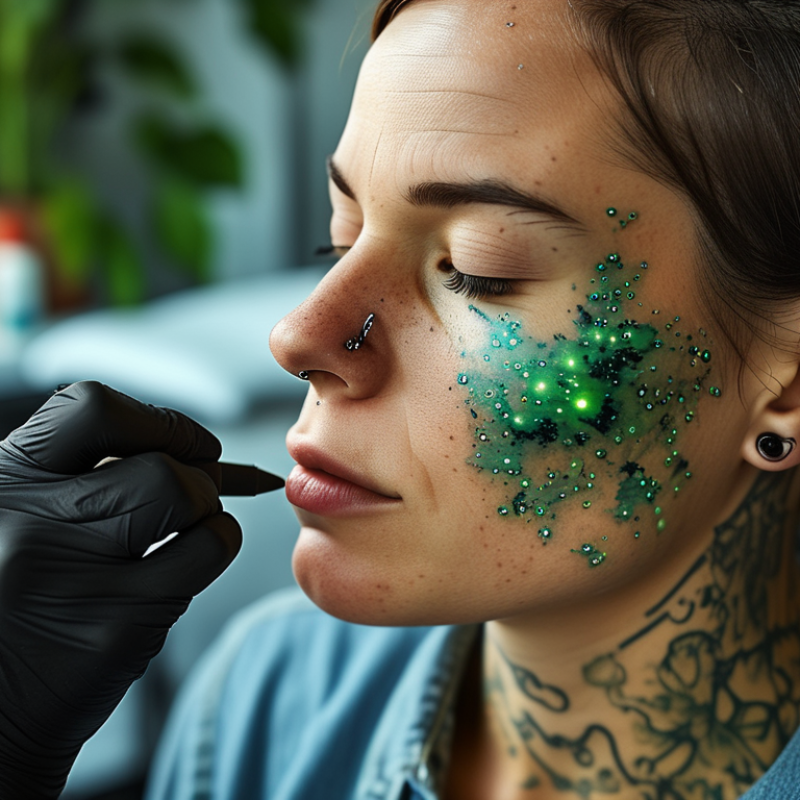
Tattoo removal involves a fascinating yet complex process. When laser treatment targets ink, it breaks the pigment into smaller particles. This allows the body’s immune system to gradually eliminate the ink. However, the removal process can lead to unexpected results, such as tattoos turning green.
This green hue often emerges when certain pigments absorb the laser light differently. For example, blue and green inks can react to the laser, reflecting a greenish tone. The experience can be frustrating for many. It's essential to recognize that tattoo removal is not always perfect. The skin may react unpredictably, and results can vary significantly from person to person.
Understanding these nuances in the tattoo removal journey can prepare individuals for what lies ahead. Professionals must assess each tattoo's unique attributes, including color and depth. This analysis impacts the effectiveness of the removal process. Being informed leads to better decisions and realistic expectations during such procedures.
When tattoos are removed, many people notice that the ink can sometimes turn green. This phenomenon is linked to the chemical reactions that occur during the breakdown of tattoo ink. Tattoo inks often contain pigments derived from metal compounds. When lasers target the ink particles, they can cause these pigments to degrade. For example, blue and green inks may contain copper-based compounds. As these compounds break down, they can result in a greenish hue on the skin.
Recent studies indicate that approximately 23% of individuals experience color changes during tattoo removal. A detailed analysis shows that the energy from the laser not only breaks down pigment but can also facilitate oxidation, further altering its color. This highlights the importance of understanding the composition of tattoo inks. An awareness of these chemical reactions can help individuals set realistic expectations when undergoing tattoo removal procedures.
**Tip:** Always consult a certified professional before starting tattoo removal. They can provide insights into your specific ink composition and potential reactions.
Additionally, the healing process plays a significant role in how your skin reacts. Factors like skin type and healing time vary by individual. This inconsistency can lead to unexpected results and emphasizes the need for tailored removal plans.
**Tip:** Keep your skin moisturized post-treatment to assist in healing and color stabilization.
| Ink Color | Chemical Composition | Reaction During Removal | Resulting Color Change |
|---|---|---|---|
| Black | Carbon black | Laser energy breaks down particles | Usually remains black |
| Red | Mercury sulfide | Decomposes to elemental mercury | May turn to orange or yellow |
| Green | Copper-based pigments | Oxidation occurs during treatment | Turns green or blue |
| Blue | Cobalt aluminate | Particles may disperse unevenly | Can appear more vivid blue |
| Yellow | Cadmium sulfide | Can form cadmium oxide | May shift to orange |
| Purple | Manganese violet | Breakdown leads to discoloration | Can fade to gray |
Tattoos can change color during the removal process, often turning green. This phenomenon is influenced by several factors related to the tattoo ink and the body’s response. The type of ink used can greatly impact how the color transitions when undergoing laser removal. Certain pigments, especially those containing copper, may oxidize, leading to a greenish tint.
Another factor at play is the body's immune response. When lasers target the ink, they break it down into smaller particles. These particles are then processed by the immune system. Variations in skin type and health can lead to different results. For some individuals, the pigment absorbs differently, resulting in unexpected color changes.
Additionally, the technique and equipment used during the removal can affect the outcome. Not every tattoo removal session is the same, and inconsistent methods may lead to color shifts. The healing process also plays a role, as the skin may exhibit colors influenced by inflammation or bruising. Understanding these factors can help manage expectations and encourage informed conversations about tattoo removal options.
Tattoo removal is a complex process influenced by skin type and ink composition. Different skin types react differently during this procedure. For example, individuals with oily skin may experience more scarring compared to those with dry skin. The healing process varies significantly. It's crucial to consider how skin tones affect the visibility of residual ink.
Ink composition plays a vital role as well. Some inks contain metal particles, which can cause green discoloration during removal. Laser treatments often target pigments by breaking them down, but metals may react unpredictably. This reaction can alter the expected outcome, leading to unwanted hues.
Moreover, not all tattoos fade evenly. Some regions of the skin may hold on to ink more stubbornly. This inconsistency might be frustrating for many. A thorough consultation with a professional is essential. Understanding individual skin characteristics can guide effective removal strategies. Each case is unique, leaving room for unexpected challenges as well.
When it comes to tattoo removal, many individuals notice an unexpected change in color. A frequent issue is the tattoo turning green. This phenomenon can be influenced by factors such as ink type, laser technology, and skin undertones. Preventative measures can significantly reduce the chances of unwanted color changes during the removal process.
Research indicates that certain pigments, especially those containing copper or green dyes, are more prone to color shifts when treated with lasers. In a study by the Journal of Lasers in Medical Science, over 30% of participants reported color alterations during removal sessions. Understanding the specific ink compositions can help professionals tailor their approach, potentially minimizing adverse reactions. Consultation with experienced practitioners is crucial for personalized treatment plans.
Additionally, skin care before and after the procedure can also play a vital role. Keeping the skin hydrated can improve laser effectiveness and reduce inflammation. A study from the Dermatology Clinic found that hydration led to better outcomes in 40% of cases, reducing the overall risk of color change. Randomized trials emphasize the importance of adequate aftercare, highlighting that poor skin preparation can lead to unsatisfactory results. Making informed decisions and being proactive can significantly influence the tattoo removal journey.
: Tattoos often change color due to the type of ink and the body's immune response.
Pigments containing copper or green dyes can oxidize and shift to a greenish tint when treated with lasers.
Different skin types absorb pigments differently, leading to unexpected color changes after treatment.
Yes, inconsistent methods and equipment can lead to varying outcomes, including color shifts.
Consulting with experienced practitioners and using appropriate ink compositions can help tailor a personalized approach.
Absolutely. Keeping the skin hydrated improves laser effectiveness and reduces the risk of color change.
Adequate aftercare can influence results. Poor skin preparation often leads to unsatisfactory outcomes.
Yes, studies show over 30% of participants noticed color alterations during removal sessions.
Understanding the ink composition, skin type, and having realistic expectations can help guide your decision.
Yes, managing expectations is crucial, as color changes can be surprising and may require reflection on the removal journey.
Tattoos often experience color changes during removal, leading many to wonder, "Why do tattoos turn green during removal?" The process of tattoo removal involves complex chemical reactions as the laser targets the ink particles, fragmenting them so that the body can eliminate them. The breakdown of certain pigments, especially blue and black inks, can result in a greenish hue due to the mixing of leftover ink particles and the skin's natural undertones.
Additionally, factors like skin type, the composition of the ink, and the specific techniques used during removal can significantly influence how the colors change. For example, lighter skin tones may show different reactions compared to darker skin. To minimize unwanted color changes during the removal process, understanding these factors and taking preventative measures can be crucial. By adhering to best practices, one can help ensure a more successful tattoo removal experience.