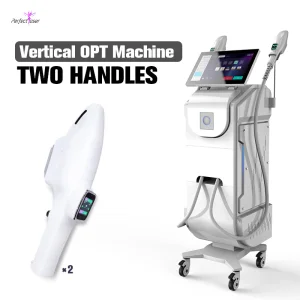
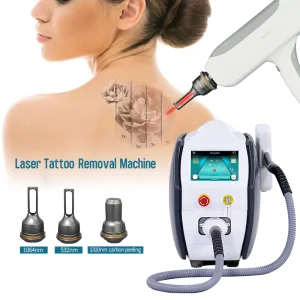
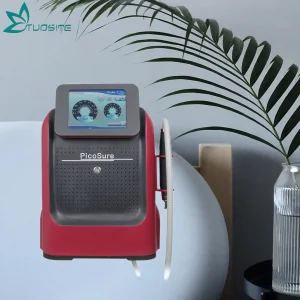
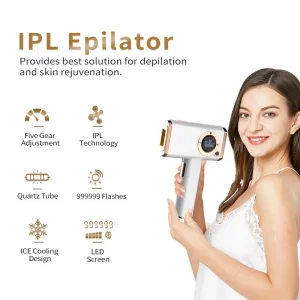
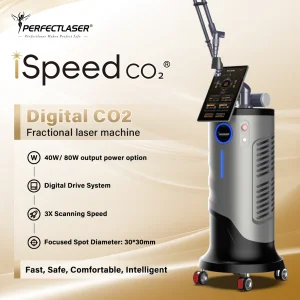
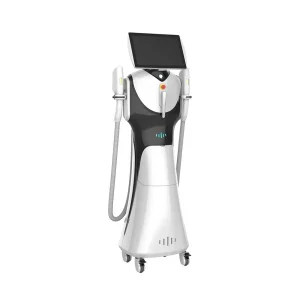
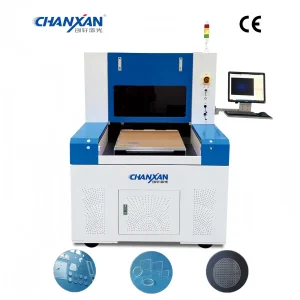
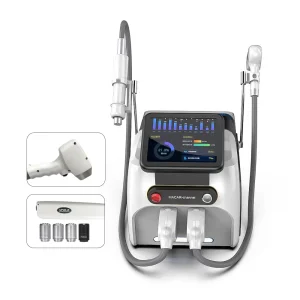
Featured Advanced Optical & Aesthetic Systems
Direct factory supply of medical-grade dermatological equipment and high-precision laser platforms engineered for professional operations.
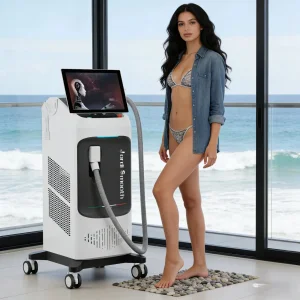
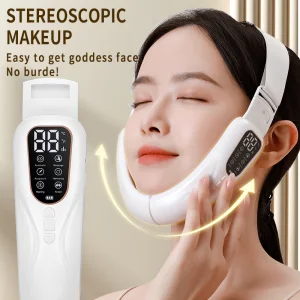

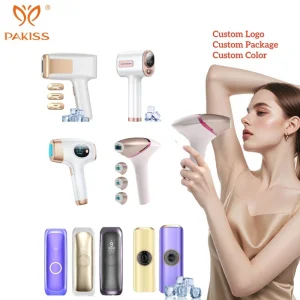
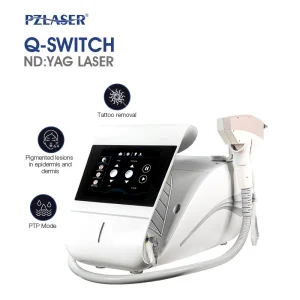
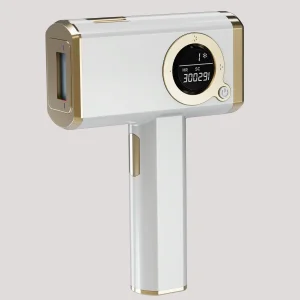
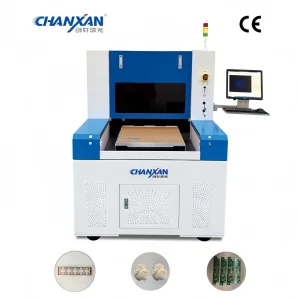
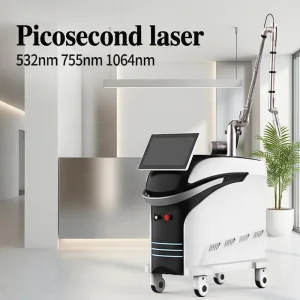
Understanding CE Certified Nd:YAG Laser Equipment
In the rapidly changing fields of medical aesthetics and high-precision material processing, solid-state lasers remain a cornerstone of reliability. Specifically, Neodymium-doped Yttrium Aluminum Garnet (Nd:YAG) lasers are highly valued for their stability, power, and precise energy delivery. When evaluating CE Certified YAG Laser Equipment Factories, it is crucial to look beyond basic assembly and examine the underlying technical design, supply chain integration, and rigorous testing protocols that ensure compliance with global regulatory standards.
Guangdong Fickle Beauty Co. Ltd., established in 2003 in Guangzhou, China, has built its reputation over two decades as a trusted partner for medical clinics, aesthetic salons, and industrial distributors globally. By combining optical R&D with strict adherence to CE (LVD, EMC), ISO 13485, RoHS, and TUV standards, we ensure that every system produced offers the safety, power, and long-term durability required for demanding professional environments.
The Science Behind Multi-Wavelength YAG Laser Technology
The versatility of Nd:YAG laser equipment lies in its ability to generate multiple wavelengths, targeting different chromophores (light-absorbing molecules) in tissue or materials. Standard high-quality systems offer four distinct wavelengths:
- 1064nm (Infrared): Deeply penetrates tissue with minimal melanin absorption, making it safe for dark skin types. It targets black and dark blue inks, dermal pigmentations, and is used for non-ablative skin rejuvenation.
- 532nm (Frequency-Doubled Green): Highly absorbed by melanin and hemoglobin. It targets superficial epidermal pigment (freckles, sun spots) and bright red or orange tattoo pigments.
- 755nm (Alexandrite-equivalent Pico wavelength): Targets green and blue inks while offering high melanin absorption for precise skin toning.
- 1320nm (Carbon Peeling): Combined with a carbon paste suspension, this wavelength heats the skin surface to close pores, regulate sebum, and stimulate collagen production.
Picosecond vs. Q-Switched Nanosecond Pulse Physics
The distinction between Q-Switched (Nanosecond) and Picosecond lasers centers on how energy is delivered. Nanosecond lasers rely on photothermal action, heating the pigment target until it breaks apart. While effective, this thermal buildup carries a risk of post-inflammatory hyperpigmentation (PIH) in darker skin types.
In contrast, Picosecond lasers deliver energy in trillionths of a second. This extremely short pulse duration creates a photoacoustic effect. The rapid energy delivery creates a shockwave that shatters pigment particles into a fine powder without heating the surrounding skin, leading to faster clearance and fewer sessions.
Local Applications & Global Industrial Footprint
Clinical Dermatology & Aesthetics
Widely used in skin rejuvenation clinics for tattoo removal, melasma, and birthmark treatments. CE certification ensures consistent beam quality (M² factor) and pulse energy, which prevents epidermal scarring and burns during high-fluence treatments.
Micro-Machining & Glass Cutting
Beyond aesthetics, high-power picosecond Nd:YAG lasers cut transparent materials like sapphire and cover glass for consumer electronics, providing clean cuts without thermal cracking along the edges.
Regulatory Compliance Mapping
Importing lasers requires meeting strict national requirements. Our CE certification serves as a baseline, complemented by LVD (electrical safety) and EMC (electromagnetic compatibility) testing. This guarantees smooth customs clearance and compliance for global distributors.
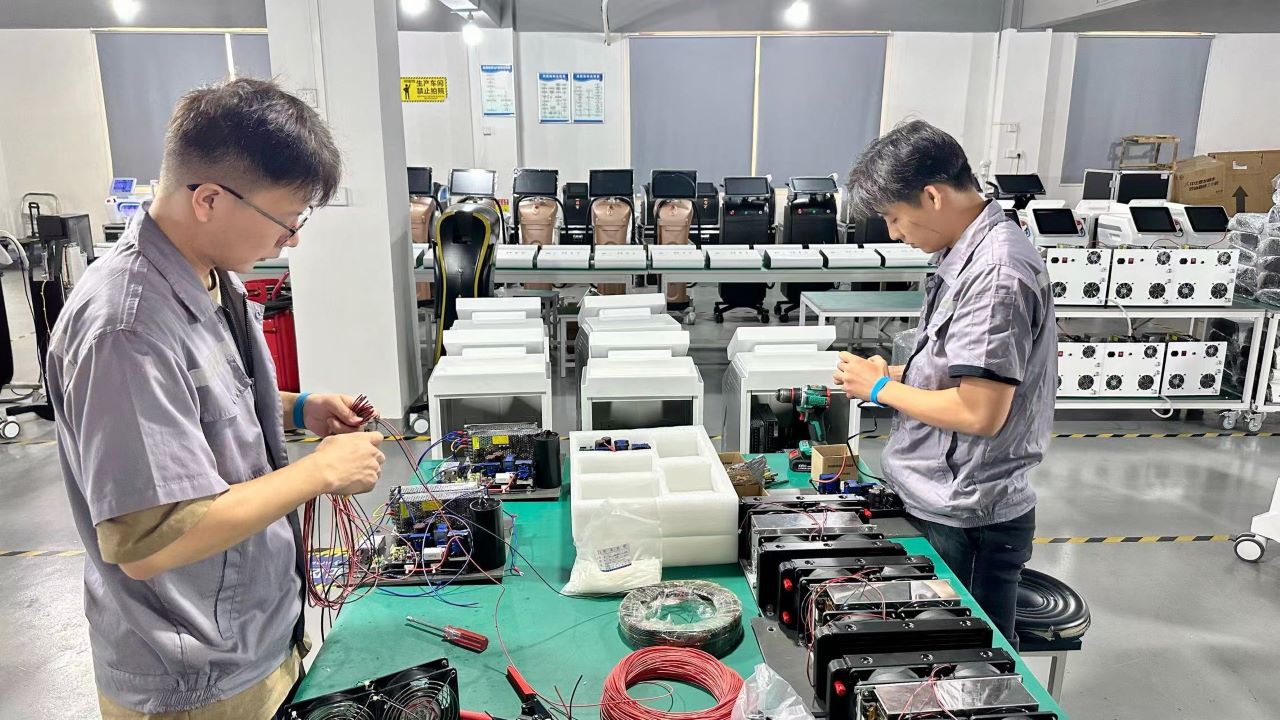
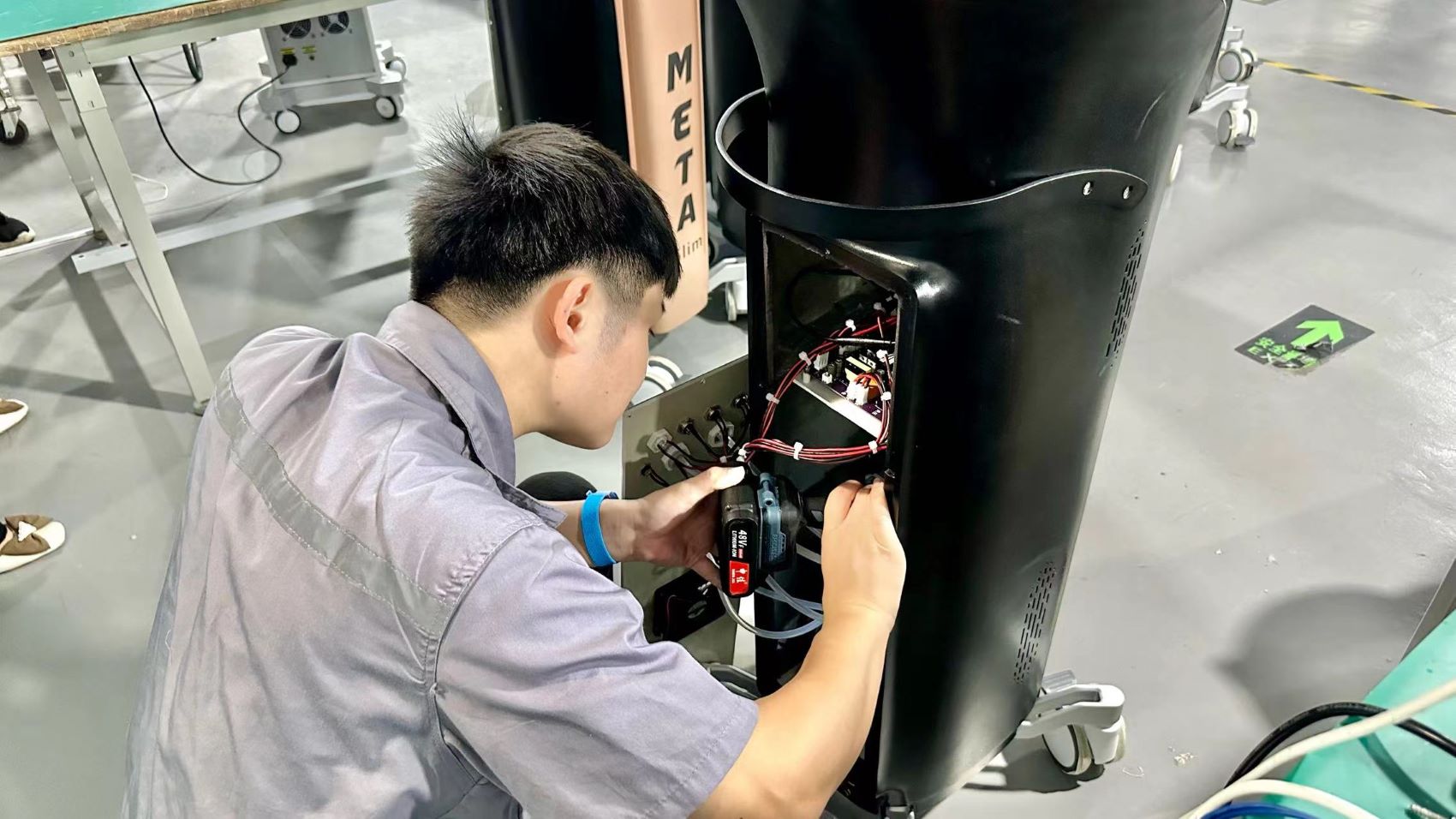
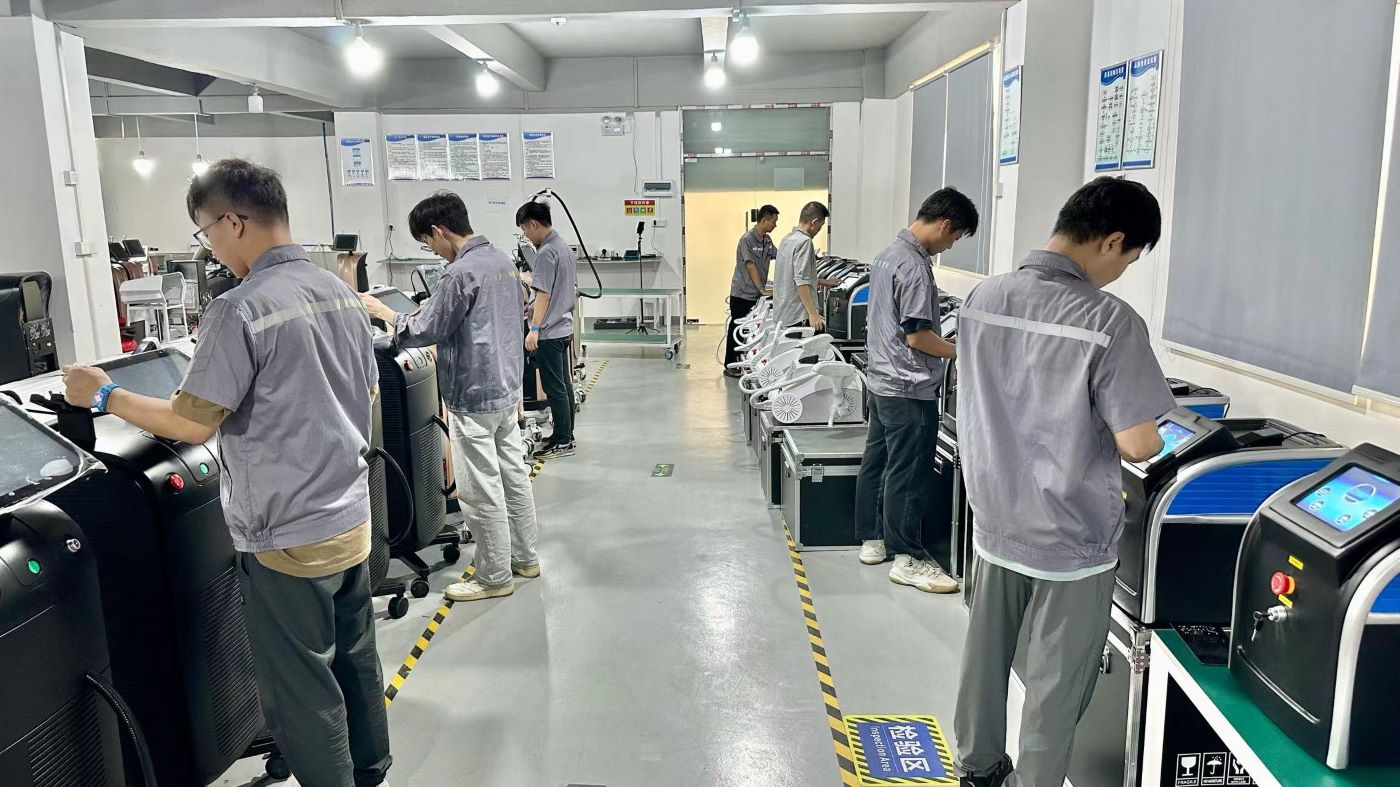
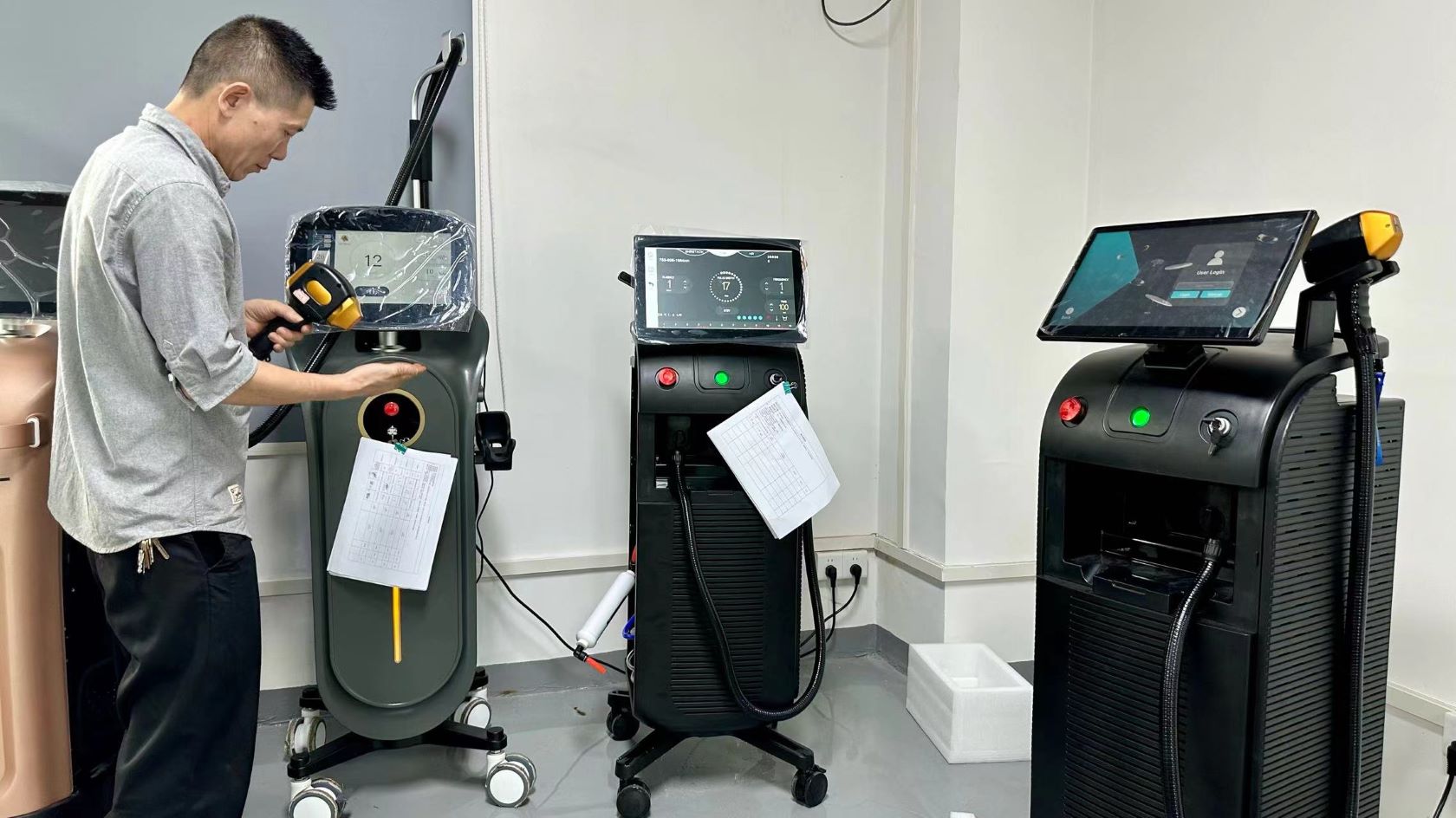
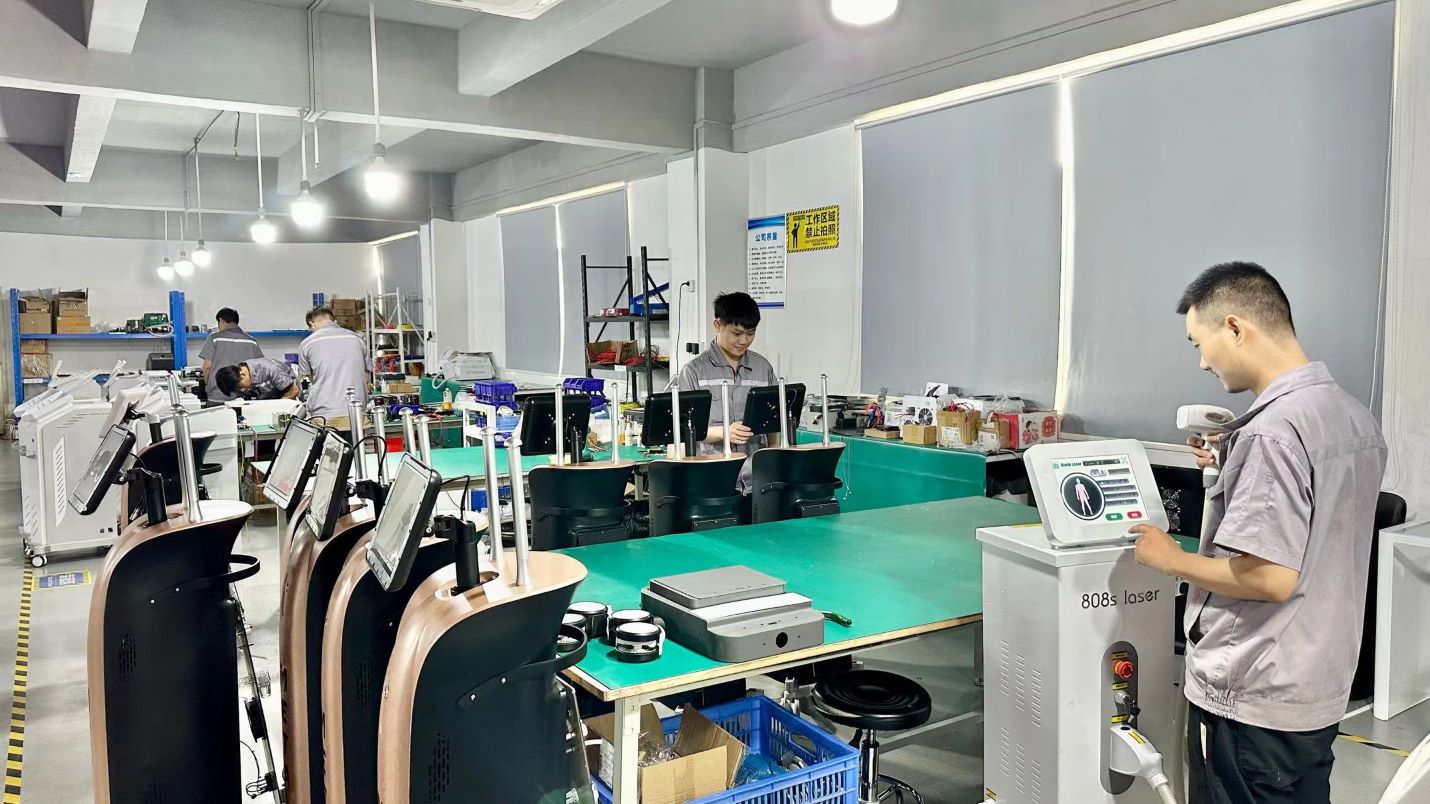
Inside the Guangdong Fickle Beauty Factory
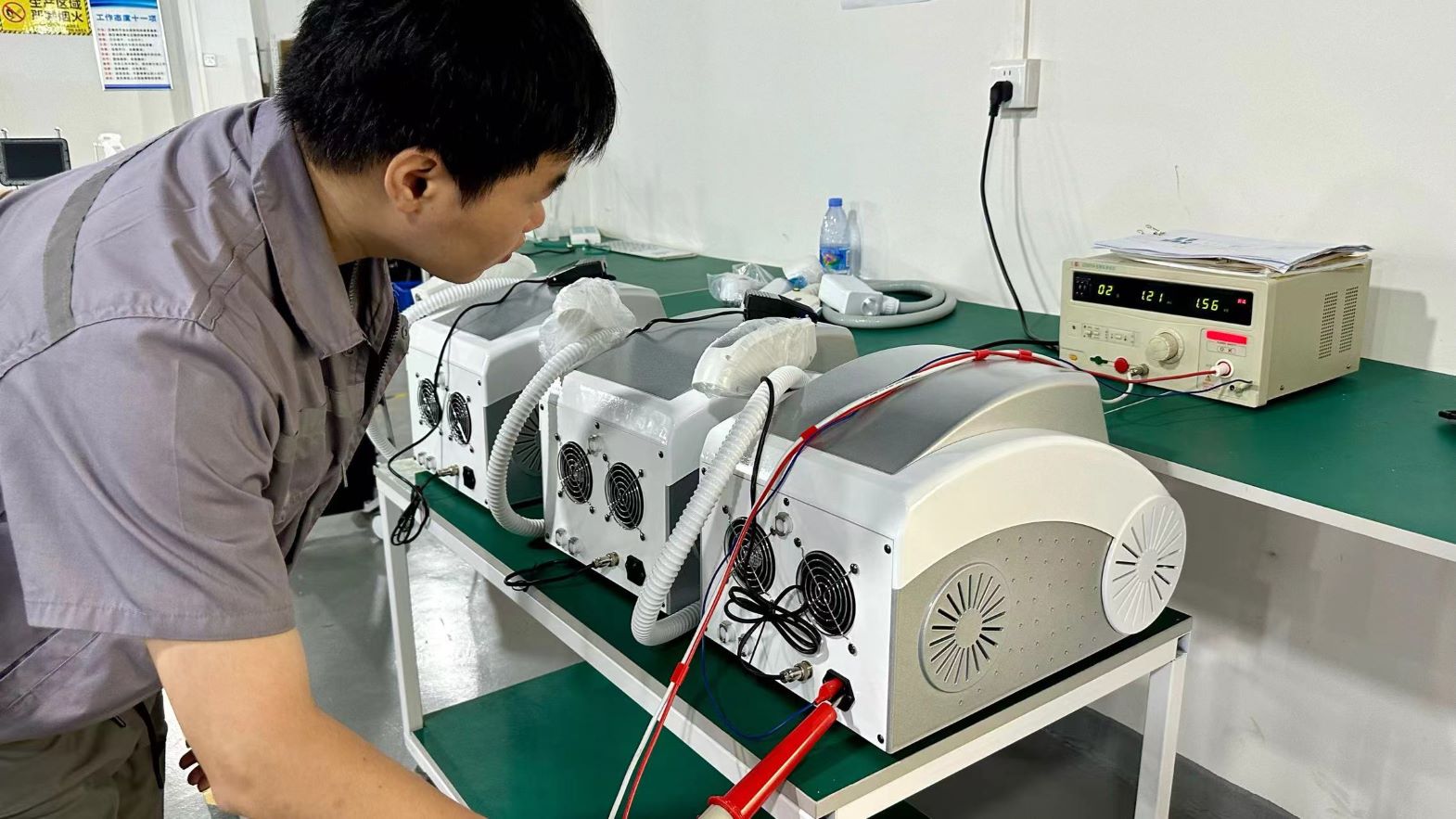
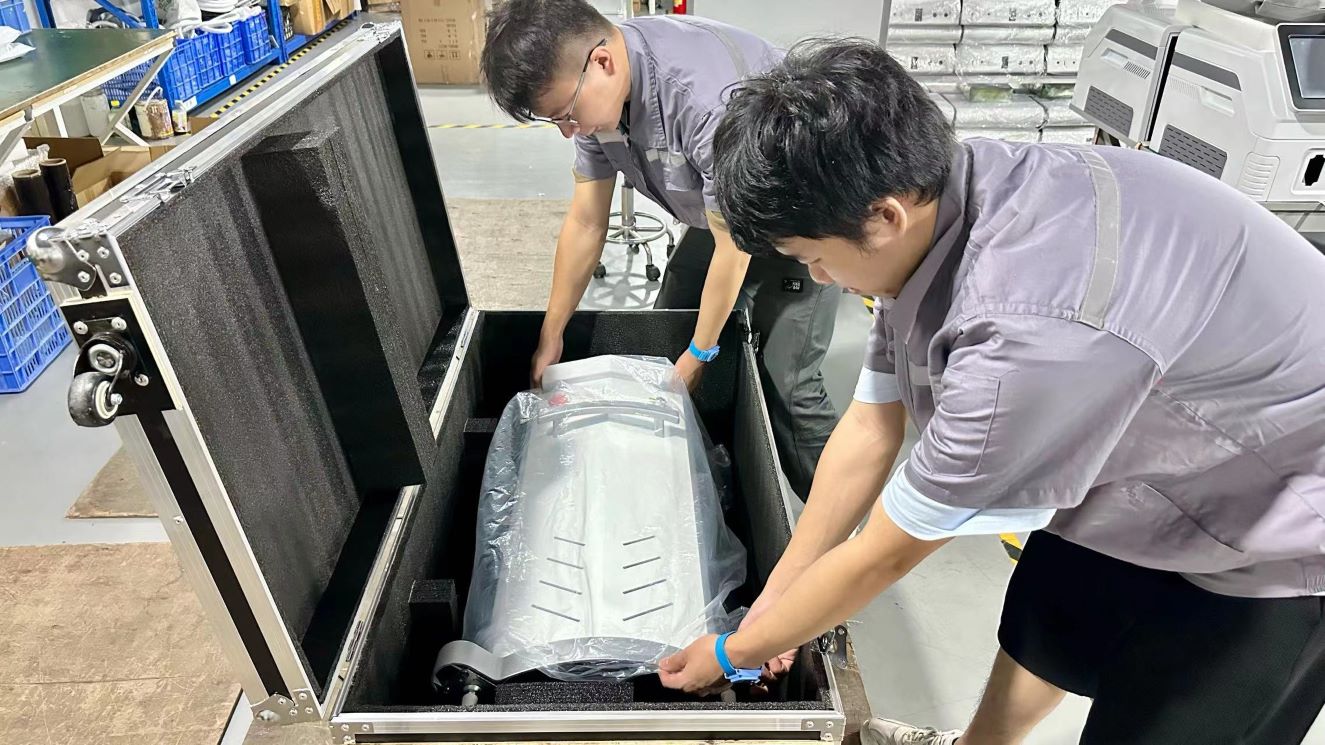
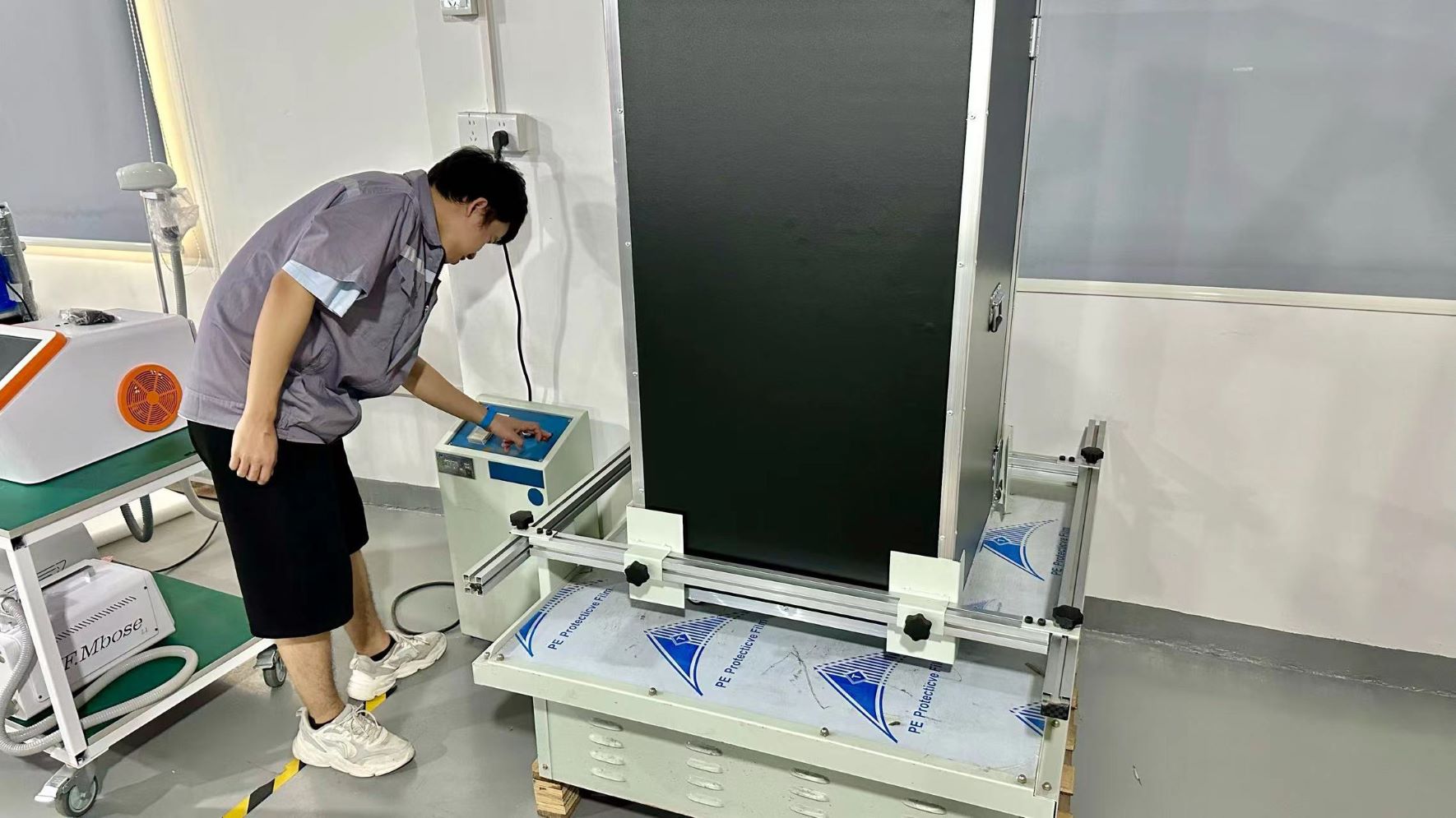
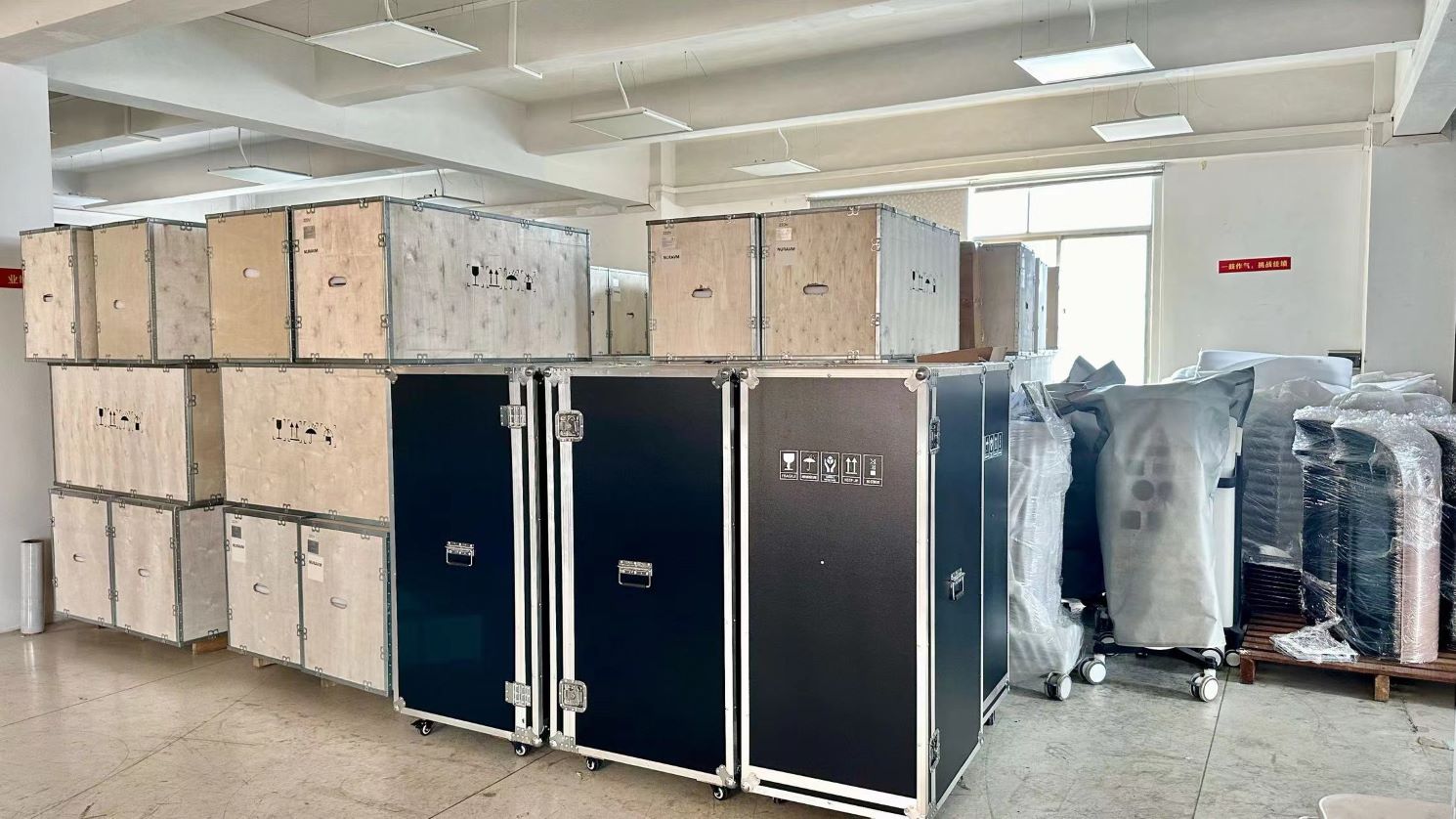
A transparent look at our assembly lines, quality gates, and testing procedures. Our factory matches high-precision optical alignment with durable mechanical assembly to build stable, long-lasting systems.
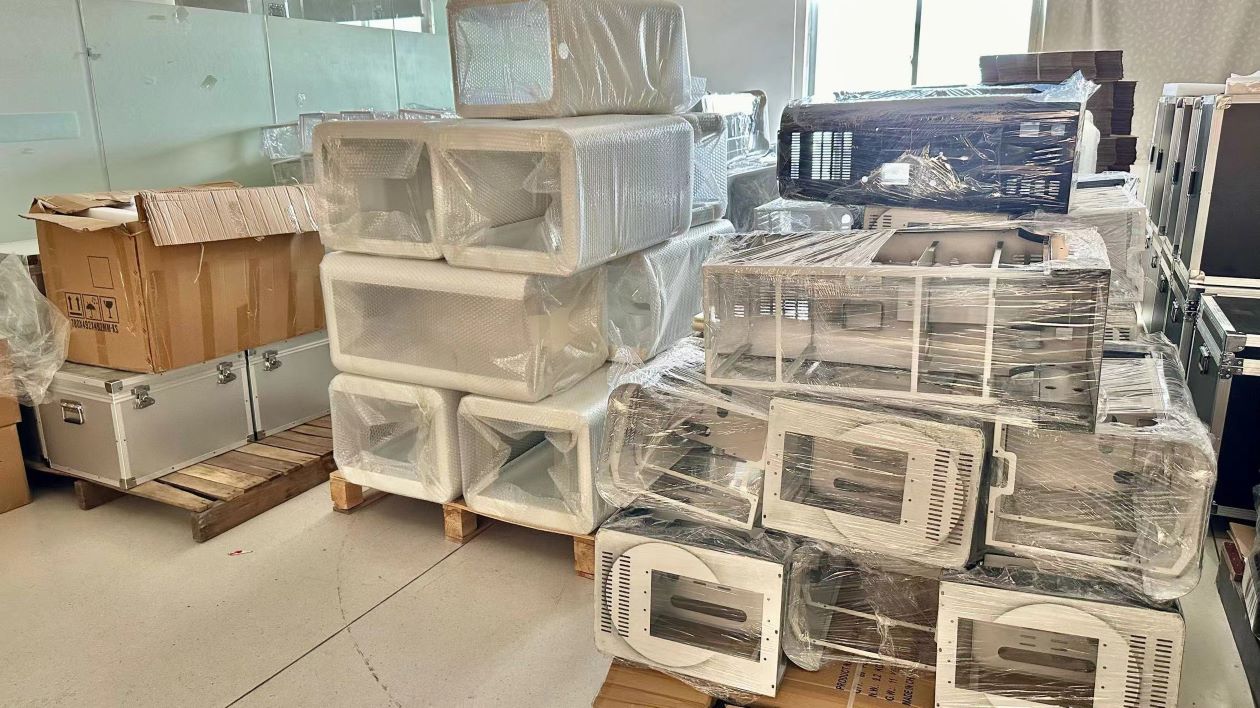

Supply Chain Resilience: Why Sourcing from Guangdong Matters
Guangdong is the heart of the world's advanced optoelectronics supply chain. This concentration of manufacturers provides several benefits:
- Access to Components: Being near premium optic crystal suppliers, laser cavity reflectors, and military-grade high-voltage power source suppliers lets us source top-tier parts quickly.
- Rapid Prototyping: Our engineering team can design, prototype, and test custom chassis and control boards within weeks rather than months.
- Efficient Logistics: Located in Guangzhou, we enjoy direct routes to major sea and air ports, which lowers shipping costs and speeds up delivery. 95% of standard orders ship in 3 days, and urgent shipments can be completed in 24 hours.
A Comprehensive Quality Framework: From Assembly to Delivery
Manufacturing medical lasers requires strict control at every step. A failure in energy output or cooling can compromise patient safety and lead to device downtime. We address these risks with a multi-step quality assurance program:
- Incoming Material Quality Control (IQC): Every Nd:YAG crystal rod, flashlamp, and optical lens is checked for purities and alignment before assembly.
- Cleanroom Assembly: The laser cavity—where the crystal rod and flashlamp are housed—is assembled in a clean environment to prevent dust from settling on the optics, which can cause laser burn-in.
- 48-Hour Burn-In Testing: Every completed laser system runs continuously for 48 hours to check the cooling system and ensure the power supply remains stable.
- Shock & Vibration Testing: Because lasers travel across the globe, our packaged systems undergo vibration testing to ensure alignment is maintained during transport.
Frequently Asked Questions (FAQ)
More Premium Aesthetic & Laser Platforms
Expand your clinic offerings with our comprehensive line of dermatological, fractional CO2, and multi-wavelength laser systems.