Pioneering Aesthetic Excellence Since 2003
A comprehensive overview of Guangdong Fickle Beauty Co. Ltd.'s contributions to medical-grade optics and global market proliferation.
Who We Are: Guangdong Fickle Beauty Co. Ltd., established in 2003 in Guangzhou, China, has solidified its reputation as a leading manufacturer of advanced beauty and aesthetic equipment in the global dermatology and cosmetic surgical field. Over the past two decades, we have dedicated ourselves to the development, manufacturing, and distribution of cutting-edge tech machines engineered specifically for professional beauty salons, high-end dermatology practices, and specialized medical aesthetic clinics. Our global distribution network expands across China, Asia, Europe, North and South America, and Africa, delivering performance recognized by thousands of salon owners, clinicians, and international agents.
All of our premium aesthetic systems are certified with international compliance frameworks, including CE, ISO, RoHS, TUV, and LVD, reflecting our uncompromising stance on quality, engineering reliability, and patient safety. By integrating vertical R&D capabilities, precision manufacturing, global marketing strategy, and round-the-clock technical support, we ensure our clients maintain their competitive edge in a fast-evolving aesthetic landscape.
Featured Medical Aesthetics & Industrial Systems
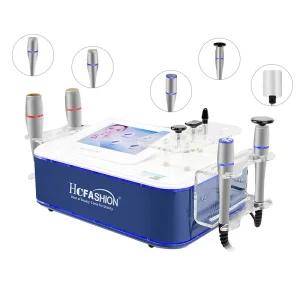
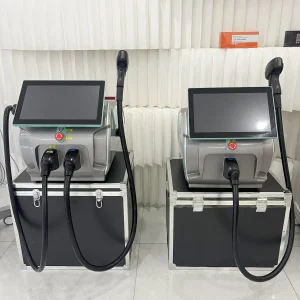
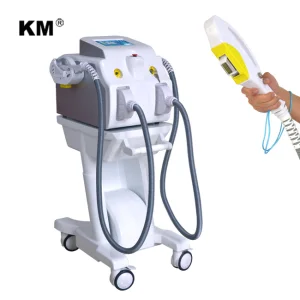
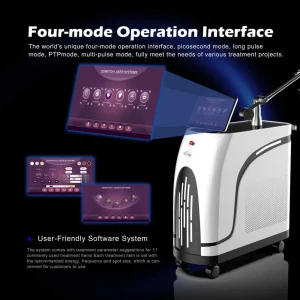
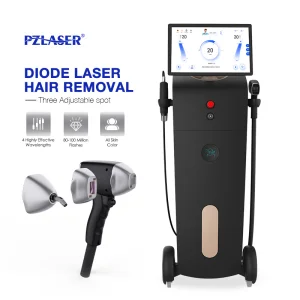
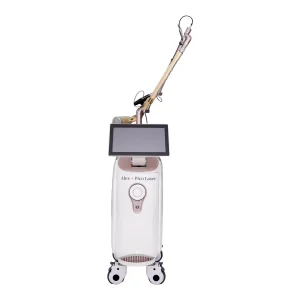
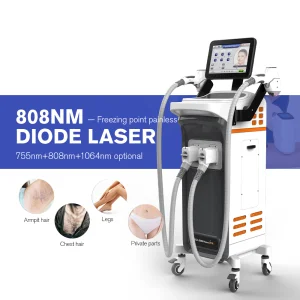
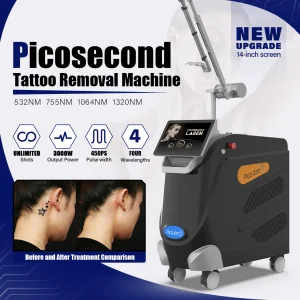
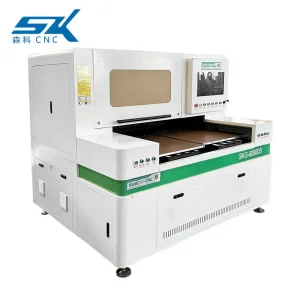
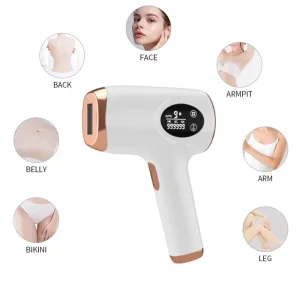
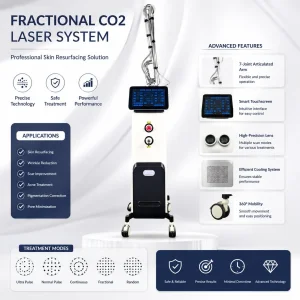
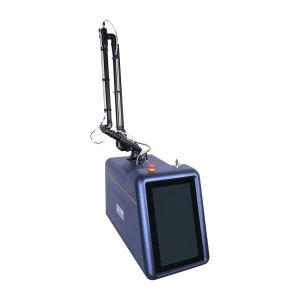
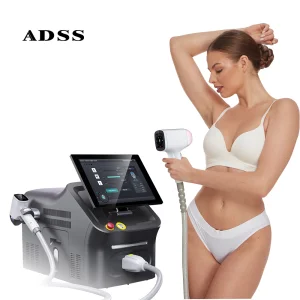
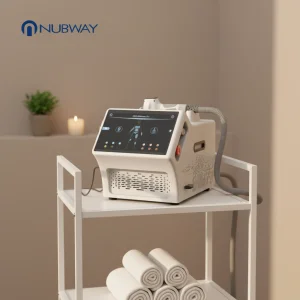
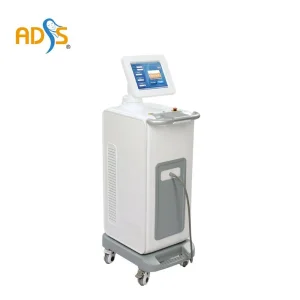
Explore our premium select range of high-energy picosecond lasers, fractional CO2 systems, and next-generation hair removal devices.

Clinical Physics of Picosecond Optical Technology
Understanding the transition from photothermal stress to mechanical shockwaves for optimized dermal clearance.
Modern dermatology underwent a paradigm shift with the introduction of ultra-short pulse durations. Unlike traditional Q-switched nanosecond lasers that rely primarily on photothermal effects to heat and break down target chromophores (pigments or ink), picosecond lasers operate in the trillionth of a second domain. This brief pulse duration is critical because it is shorter than the thermal relaxation time of the targeted pigment particles.
“The fundamental advantage of picosecond technology lies in its ability to generate an intense Photomechanical / Photoacoustic shockwave. By delivering energy in ultra-fast bursts, the laser creates a rapid temperature rise inside the targeted pigment, generating localized acoustic waves that fragment the ink or melanin into microscopic particles without transferring heat to the surrounding skin tissue.”
Mechanistic Breakdown of Photomechanical Interaction
When a picosecond laser pulse is applied, it induces a phenomenon known as Laser-Induced Optical Breakdown (LIOB) within the dermis. This rapid delivery of high peak power leads to plasma formation and acoustic pressure waves. The target pigments are fractured into a dust-like state, which is easily processed and cleared by the body’s lymphatic system. The lack of thermal diffusion means that surrounding cellular structures remain unaffected, which minimizes side effects like post-inflammatory hyperpigmentation (PIH), blistering, or scarring.
This biological mechanism makes our Nd:YAG Picosecond systems highly effective for difficult cosmetic procedures:
• Multi-Colored Tattoo Removal: Targeting stubborn green, blue, and black inks with customized 532nm, 755nm, and 1064nm wavelengths.
• Pigmentary Disorders: Safe treatment of melasma, solar lentigines, and Ota's nevus across Fitzpatrick skin types I-VI.
• Skin Rejuvenation & Scar Revision: Inducing micro-LIOBs in the dermis to stimulate collagen and elastin production without compromising the stratum corneum.
Picosecond Technology Roadmap & Future Outlook
An engineering view of the next generation of aesthetic laser technology (2026–2030).
Future iterations of our laser systems aim to transition pulse widths from the picosecond scale (450–750ps) down to the high-energy femtosecond scale (sub-100fs). This decrease in pulse width will further limit photothermal transfer, maximizing photoacoustic efficiency for target clearance.
By integrating multispectral imaging and real-time optical feedback loops directly into the laser handpiece, our future platforms will analyze skin impedance, melanin index, and vascularity in milliseconds, dynamically calibrating spot size and fluence during treatment.
Our upcoming platforms plan to deliver co-axial emission of four distinct wavelengths (532nm, 755nm, 1064nm, and 940nm) from a single articulated optical arm. This allows the operator to target complex pigment arrays in a single sweep.
Macro Industry Solutions
How our technology adapts to different markets, from medical aesthetic clinics to high-precision manufacturing.
Guangdong Fickle Beauty Co. Ltd. designs systems that fit into modern commercial ecosystems. Our product lines serve distinct market needs:
1. Multi-Center Medical Aesthetic Groups
For large clinic chains, device uptime, consistent energy output, and operator safety are crucial. Our desktop and vertical Nd:YAG Picosecond systems are built with dual-rod laser configurations and imported articulated arms to handle continuous daily operation. The standardized user interfaces ensure easy training for clinical staff across multiple locations.
2. Specialized Dermatological Practices
Medical dermatologists demand precise control over pulse parameters. Our fractional micro-lens arrays (MLA) generate localized micro-injuries in the dermis while leaving the epidermis intact, promoting rapid healing for scar revision and rejuvenation therapies. The customizable parameters let practitioners fine-tune treatments for specific patient needs.
3. Industrial Precision Applications
Extending beyond medical aesthetics, our research into ultra-short pulses supports industrial glass processing. The 19mm Picosecond Special-Shaped Precision Glass Laser Cutting and Splitting Machine applies high-frequency picosecond pulses to create clean micro-cracks in glass. This photomechanical cutting technology reduces thermal damage at cut edges, supporting glass-cutting applications in consumer electronics and automotive displays.
China Factory 4.0: Supply Chain Resilience & Manufacturing Flow
A detailed step-by-step look at our quality control, testing, assembly, and shipping workflows.
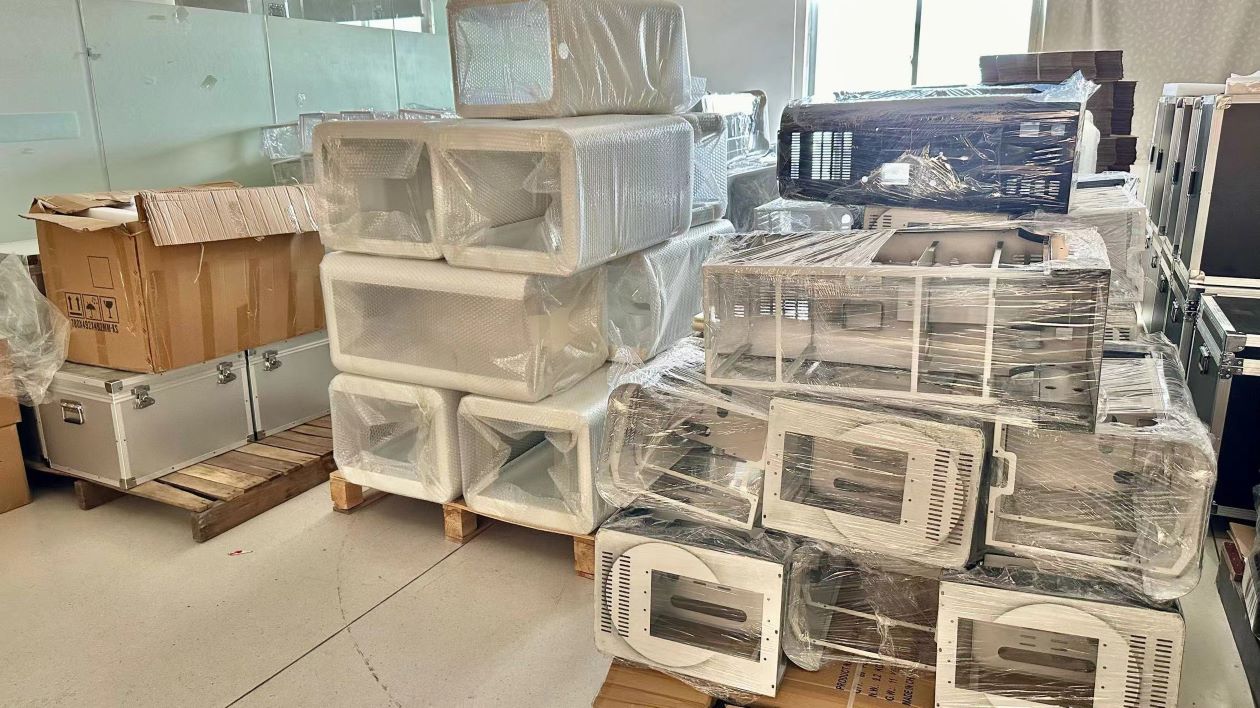

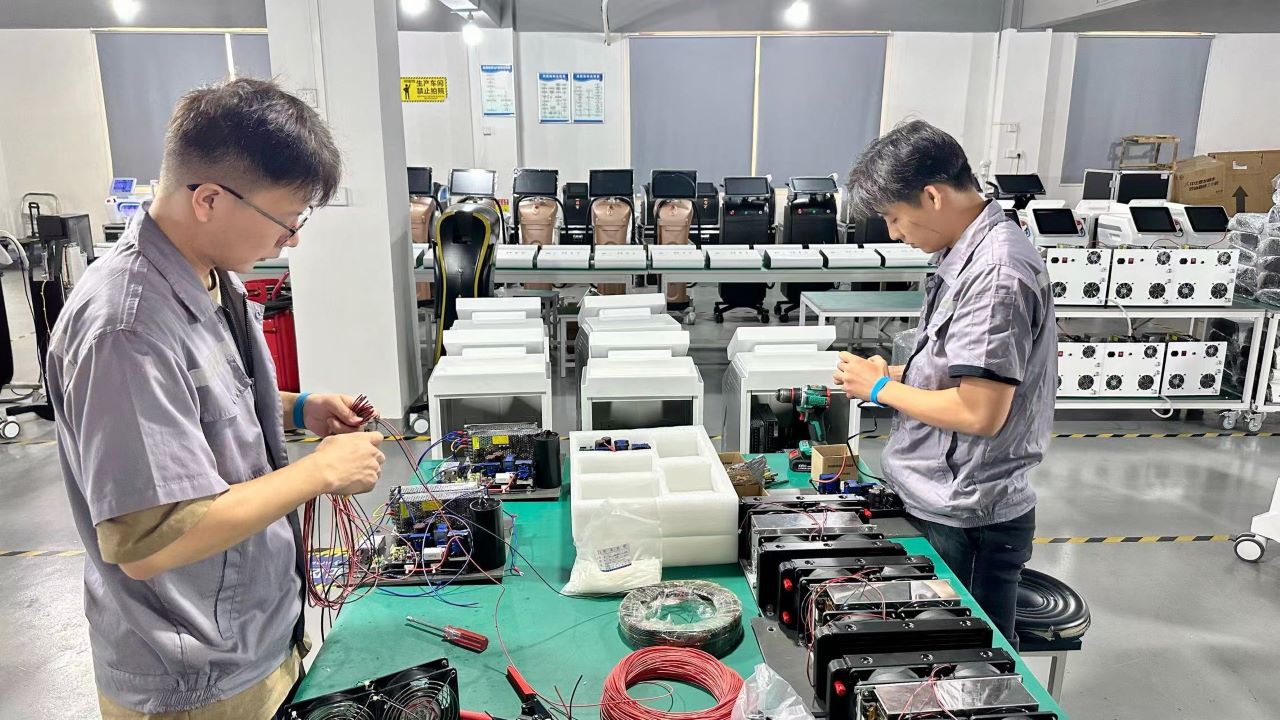
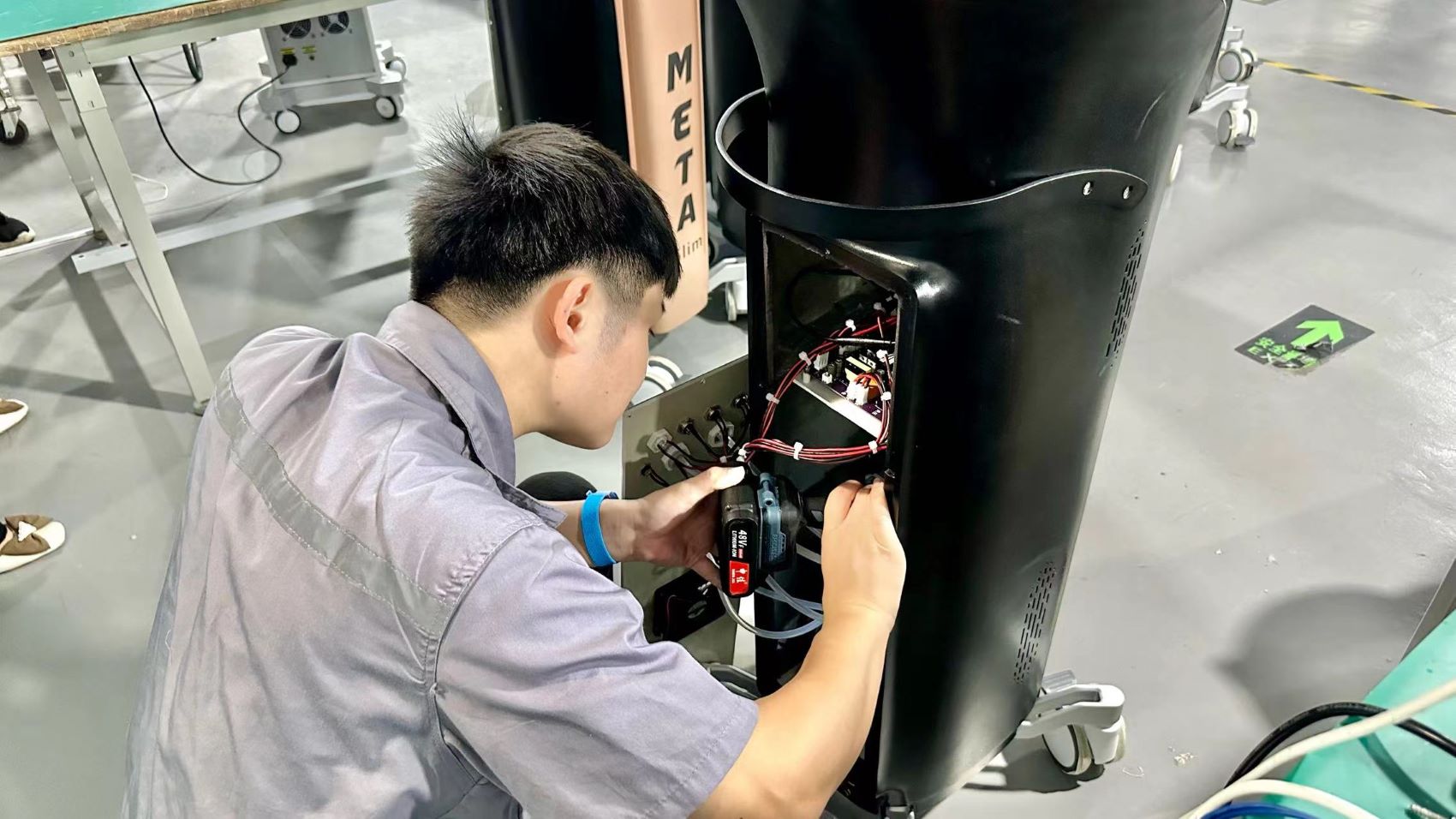
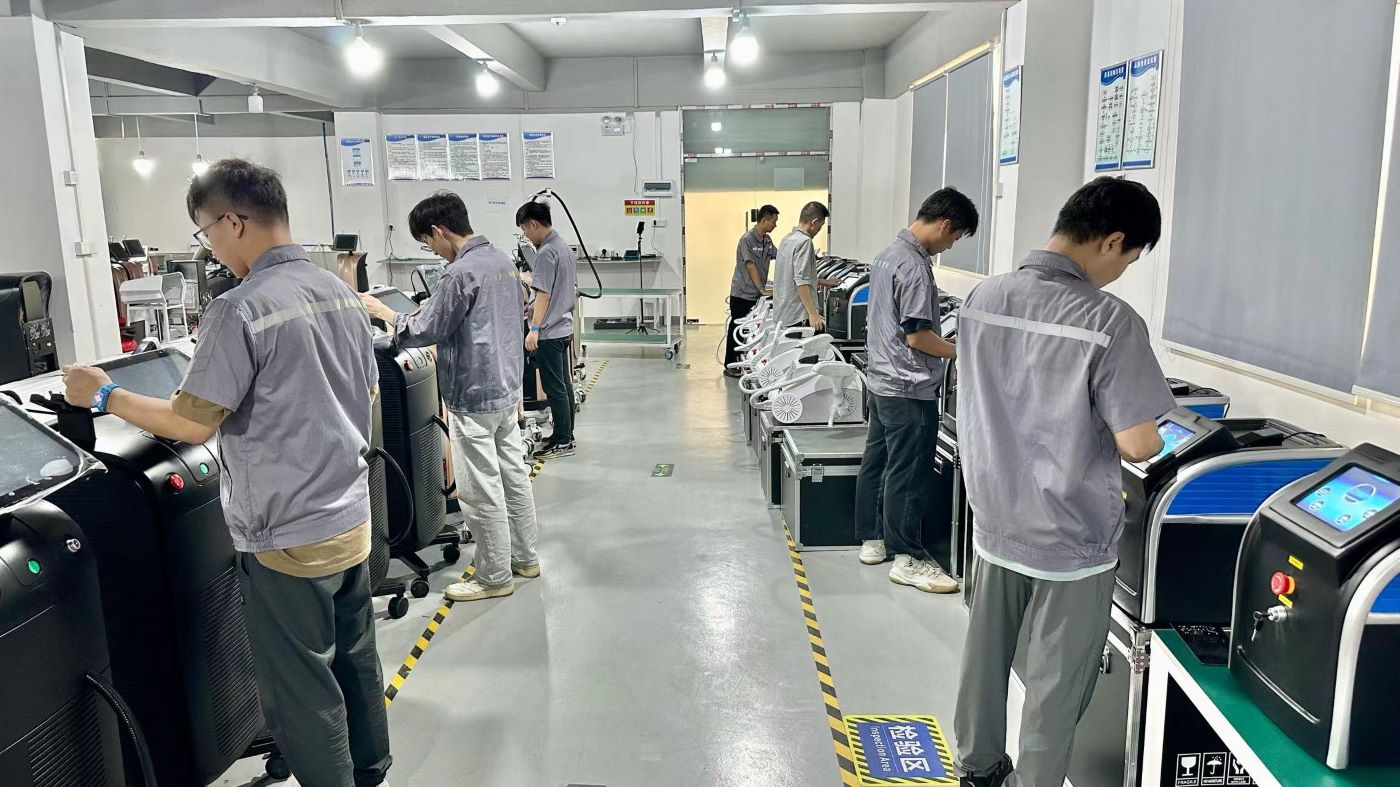
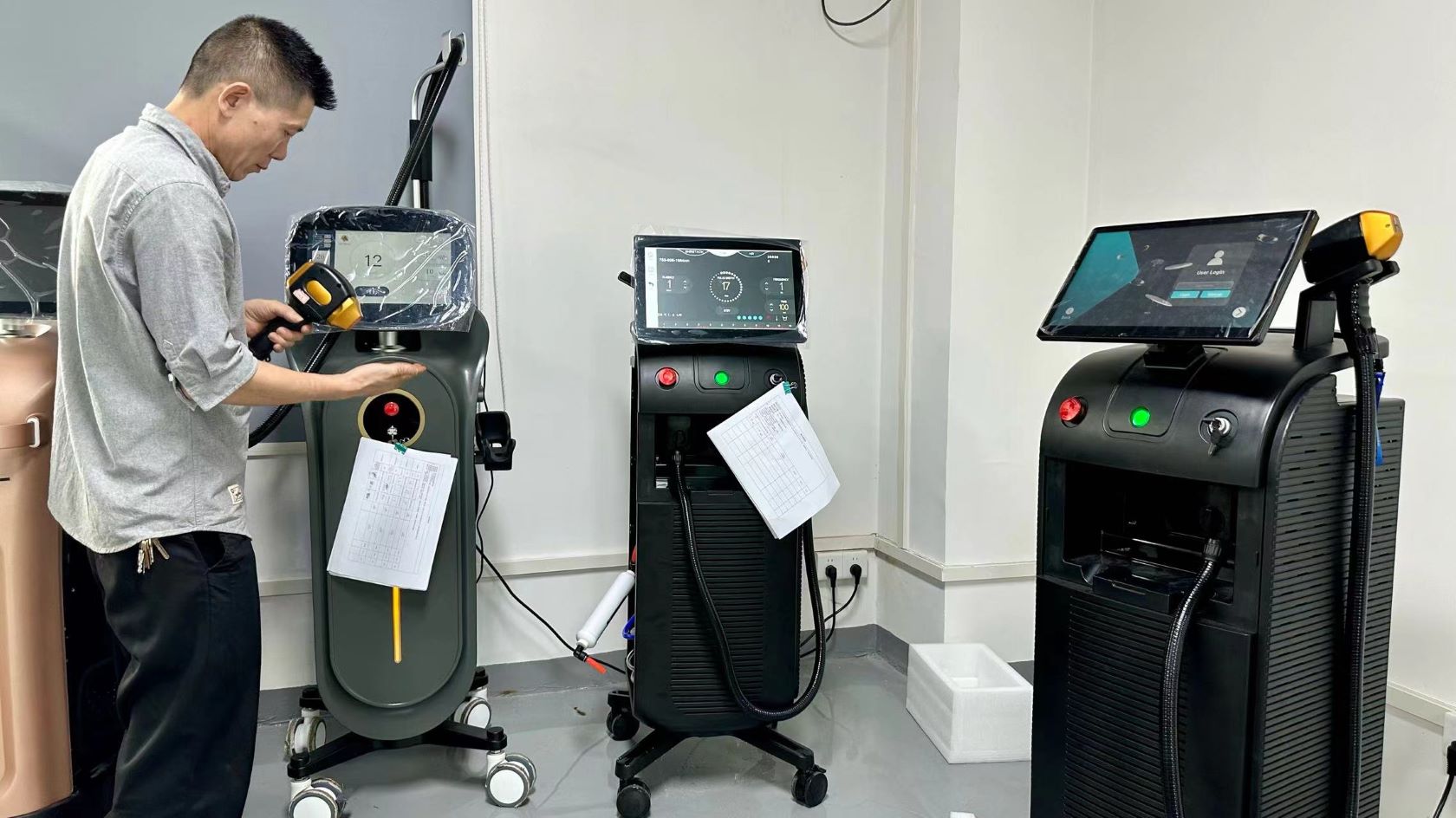
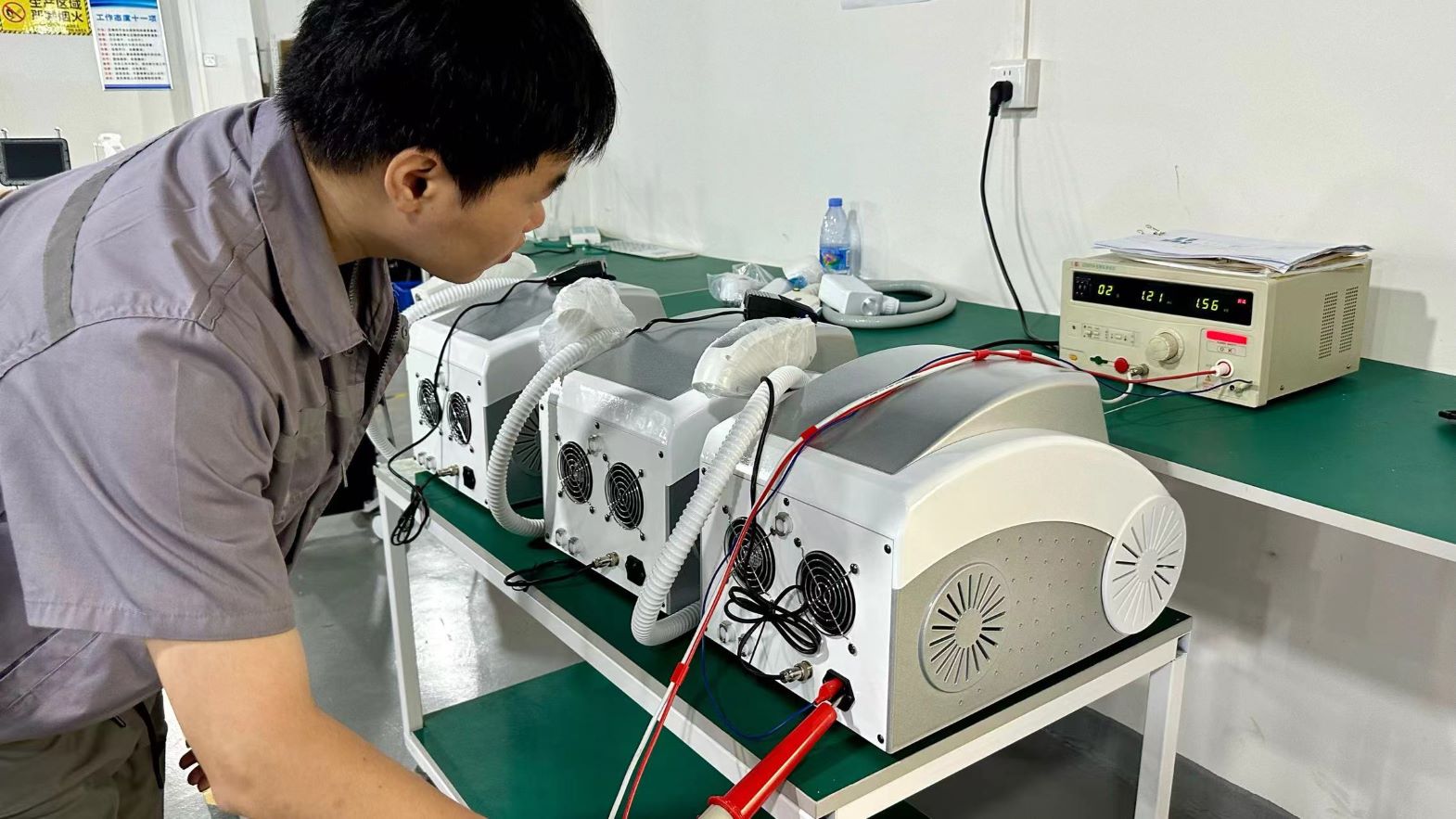
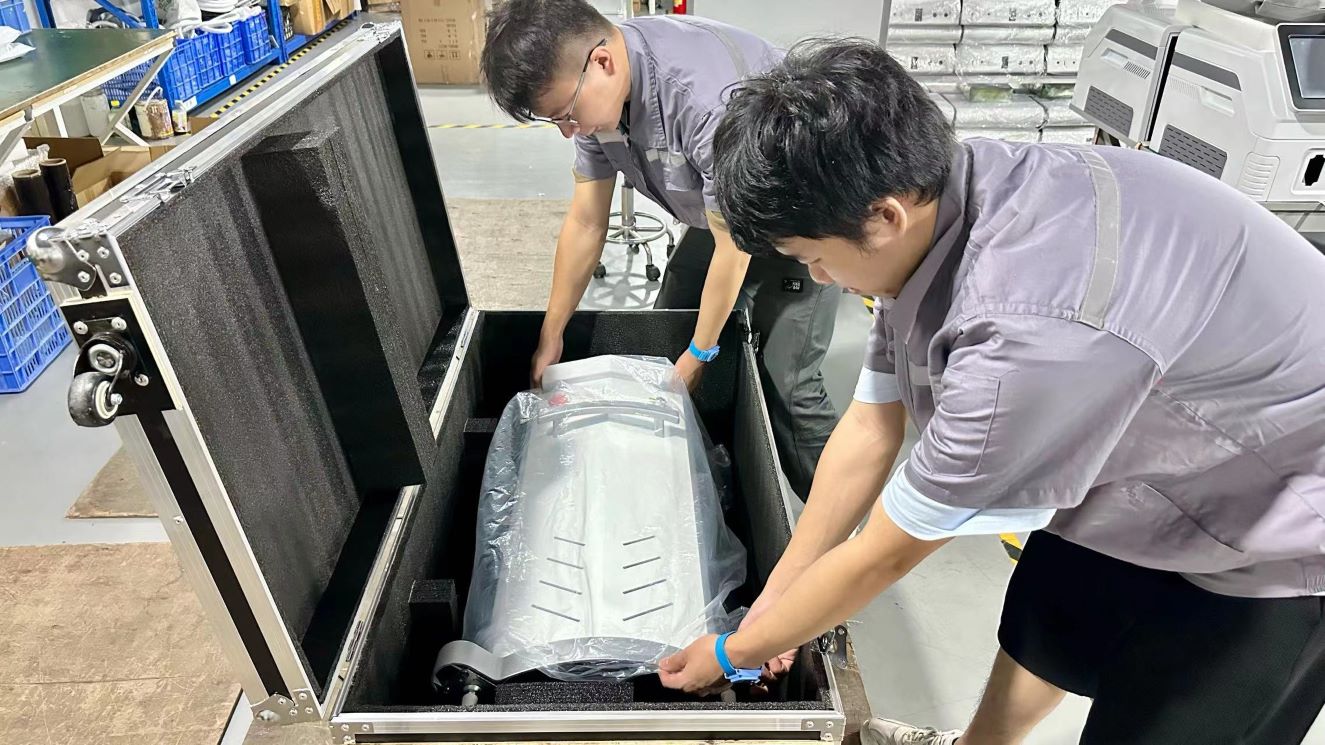
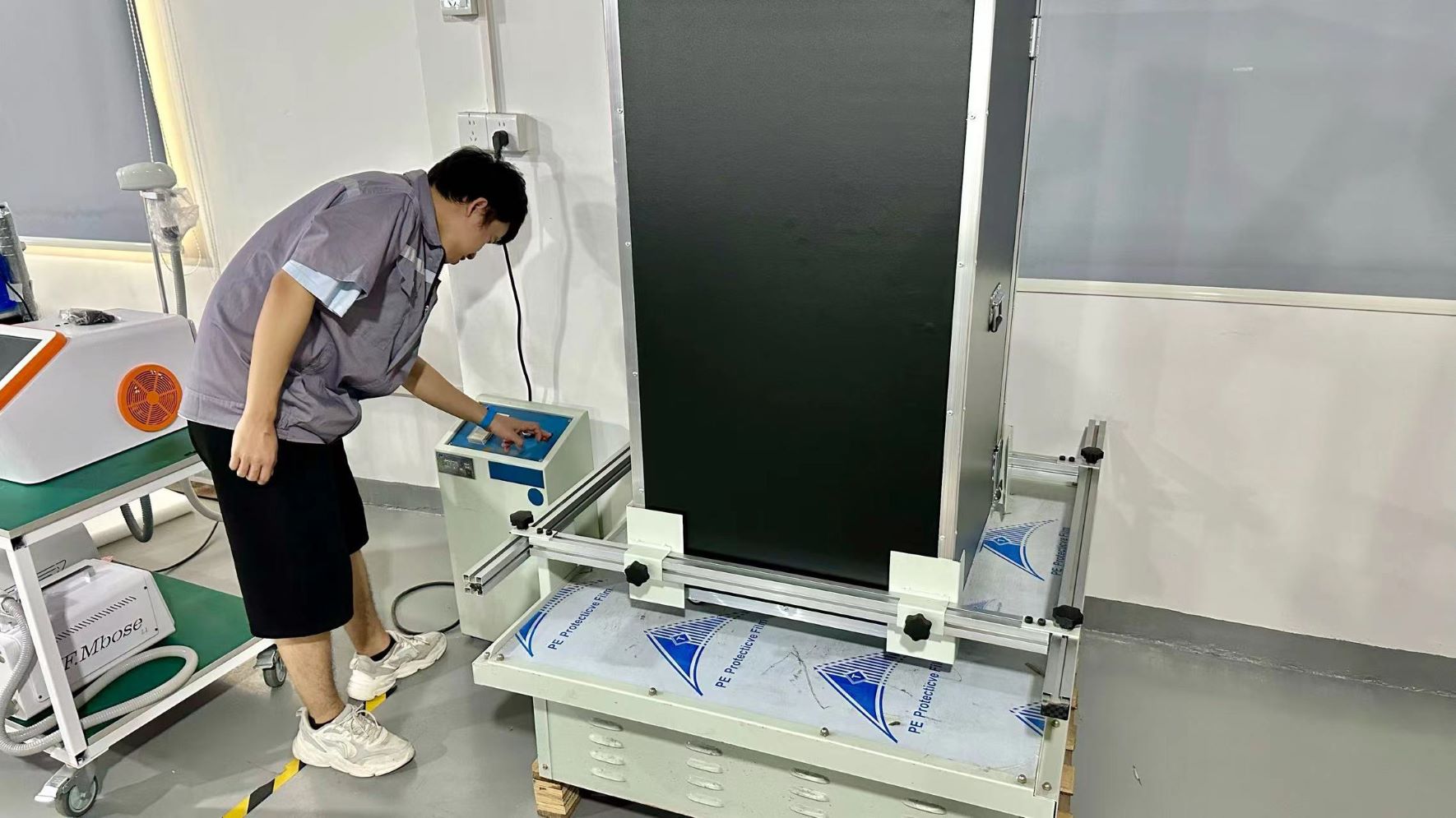
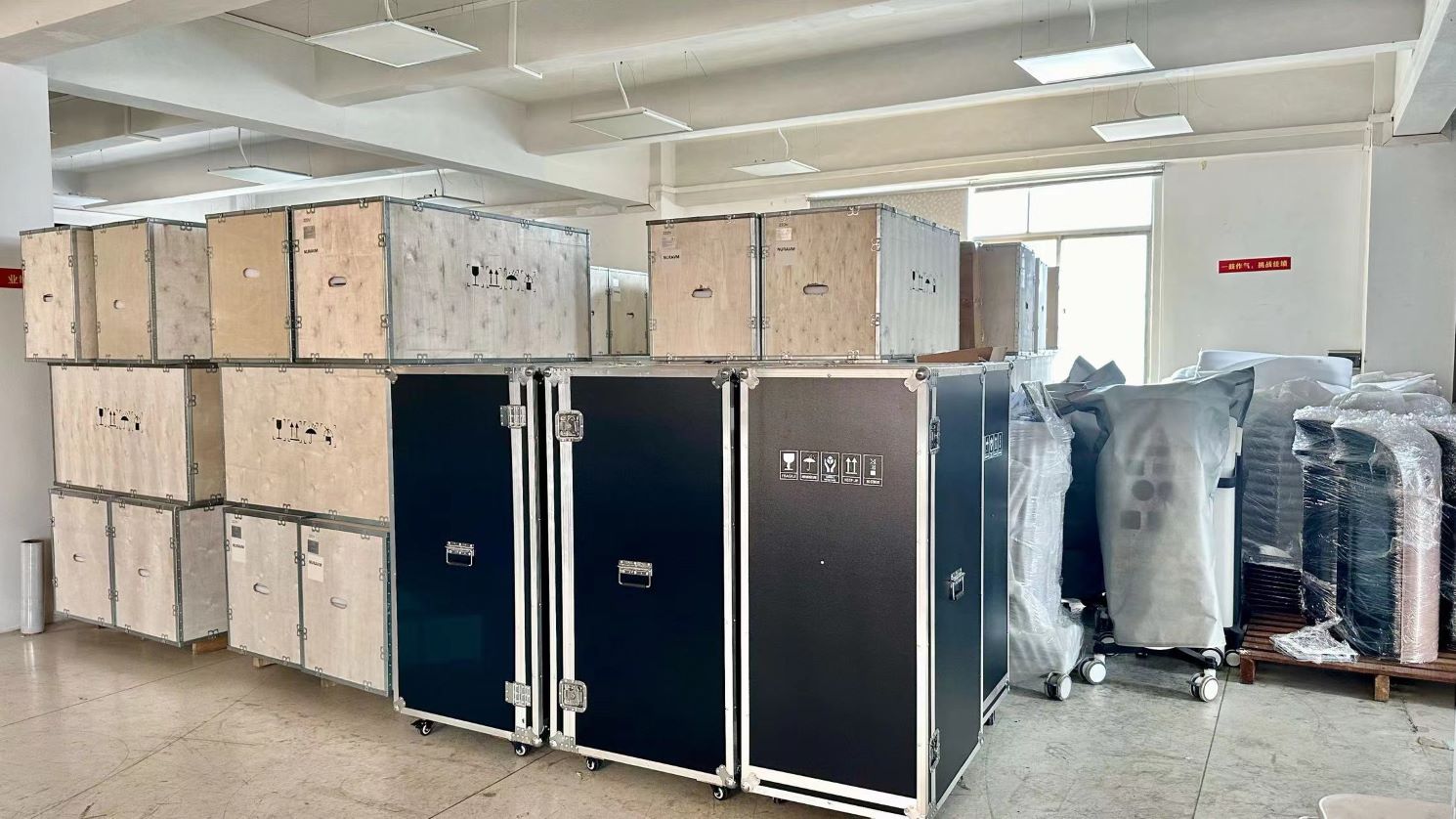
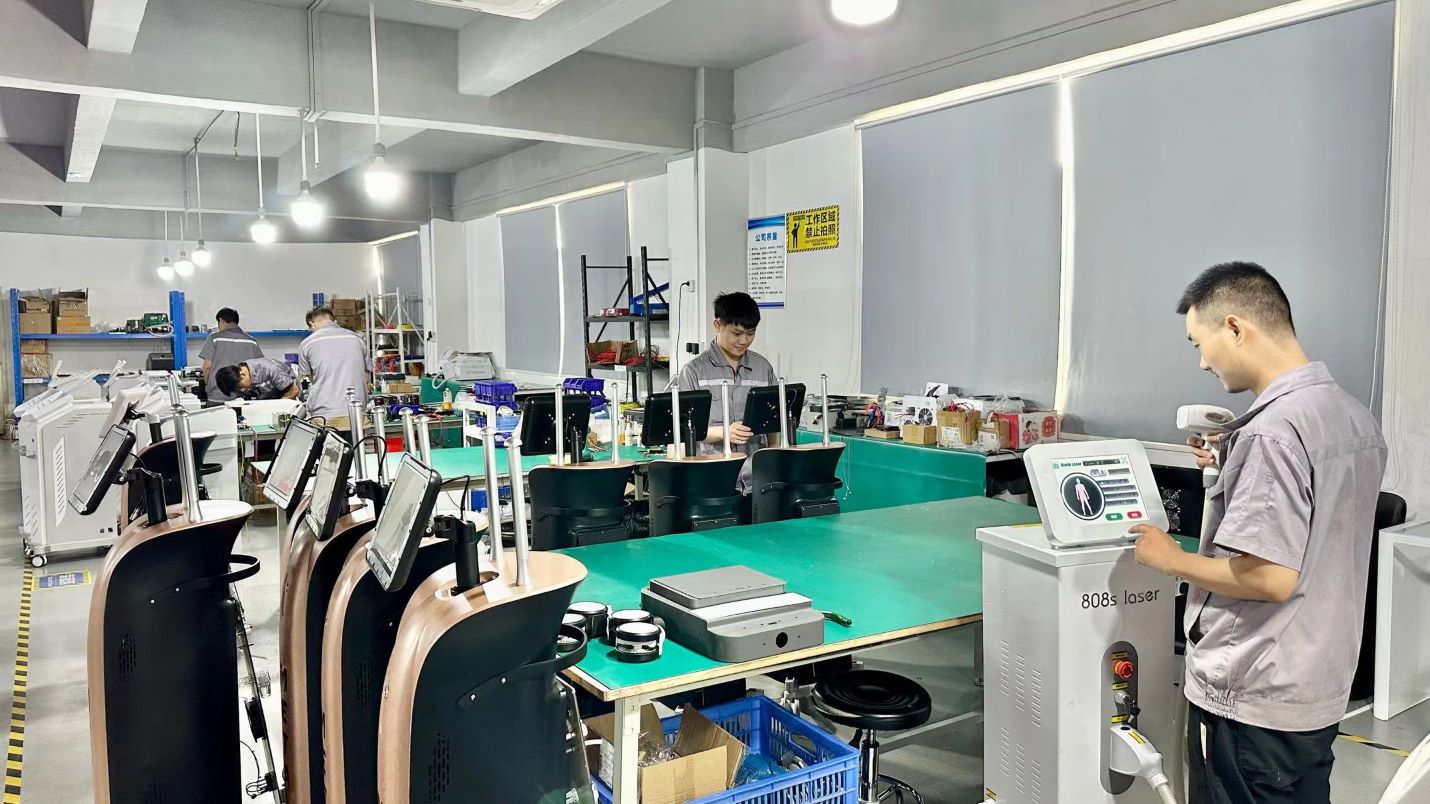
Our manufacturing facility in Guangzhou operates under strict ISO protocols to ensure quality control at every stage:
• Incoming Raw Materials Inspection: Electronic components, laser rods, optical mirrors, and chassis are audited to meet international standards.
• Sub-Component & Main Assembly: Precision alignment of the optical path is performed in cleanroom environments to maintain energy calibration.
• Product Burn-in & Aging: Every system undergoes continuous discharge testing for 48 to 72 hours to verify thermal management and pulse consistency.
• Mechanical Shock Resistance: Devices undergo simulated transit vibration tests to ensure mirrors and lenses stay aligned during global shipping.
Global Enterprise Procurement & Customization (OEM/ODM)
Tailored manufacturing, software configuration, and compliance support for international distributors.
Guangdong Fickle Beauty Co. Ltd. offers end-to-end OEM and ODM support for global distributors, device importers, and clinical chains:
Industrial OEM/ODM Capabilities
We provide full design customization, including customized enclosure options, tailored color palettes, localized user interfaces (supporting over 15 languages), and specific branding placement. Our engineering team can modify internal specs, such as power supply configurations, capacitor banks, and emitter handpieces, to meet target price points or regulatory requirements.
Regulatory Compliance & International Import Support
Navigating varying medical import policies is a key part of our global partnerships. We provide complete technical files for CE certifications, RoHS testing documentation, TUV test certificates, and LVD verification. These documentation sets help streamline Customs clearance and regional health department approvals worldwide.
Supply Chain Logistics
We maintain a large stock of standard components, allowing us to ship 95% of standard orders within 3 days. Urgent order requests can be processed and shipped within 24 hours. This responsive logistics support helps distributors manage inventory risks and meet urgent customer demands.
Localization Support & Post-Purchase Services
How we support operators, clinic managers, and engineers post-installation.
Aesthetic devices require consistent technical support to maintain safe, reliable operation. Our post-purchase service network includes:
Warranty & Spare Parts Support
We provide a one-year warranty on the main console and a six-month warranty on consumable parts (such as flash lamps and handpieces). In addition, we offer lifetime technical support. Our parts inventory ensures that critical components are available and can be shipped quickly when needed.
Video Clinical Training
Correct device operation is critical for patient safety and clinical results. We provide 24-hour online video training, clinical protocol walk-throughs, and parameter sheets. These materials guide operators on proper power settings, spot sizes, and pass counts for different skin types.
Technical Diagnostics
When technical issues arise, our service team is available via online video call to help troubleshoot optical pathways, power supplies, or water-cooling loops. This direct support helps resolve technical problems without requiring on-site service calls, minimizing system downtime.
Expert Q&A: Picosecond Laser Systems
Answers to common questions from aesthetic clinic managers, biomedical engineers, and medical device importers.
Additional Advanced Laser Systems & Aesthetic Devices
Complete your facility's treatment menu with our high-wavelength diode systems and portable tattoo removal solutions.