Premier Selection for UAE Medical Spas
The Aesthetic Revolution in the United Arab Emirates
The United Arab Emirates (UAE) has emerged as a global hub for medical tourism and advanced aesthetic procedures. In cities like Dubai and Abu Dhabi, the demand for high-end laser tattoo removal equipment has surged by over 40% in the last three years. This growth is driven by a sophisticated demographic that prioritizes skin health, professional appearance, and the availability of the world's most advanced dermatological technologies.
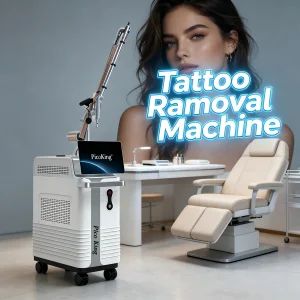
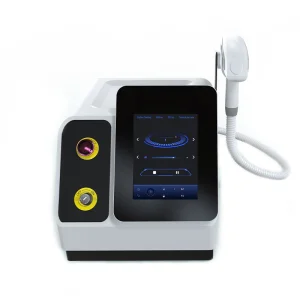
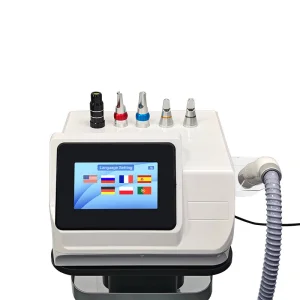
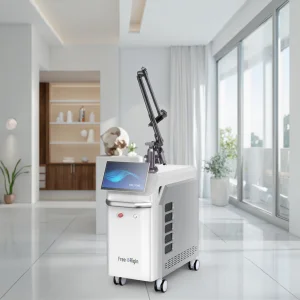
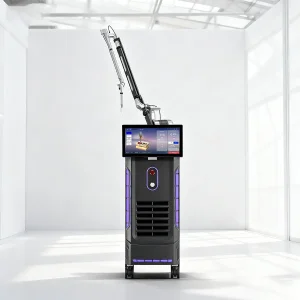
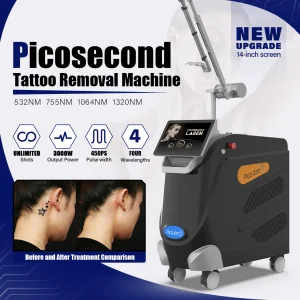
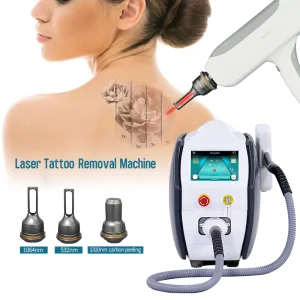
As a leading Laser Tattoo Removal Equipment Factory, we understand the unique requirements of the Middle Eastern market. Our systems are engineered to handle the Fitzpatrick Skin Types III-VI, which are prevalent in the Gulf region. By utilizing precise wavelengths—1064nm for deep ink, 532nm for red/orange, and 755nm (honeycomb) for stubborn pigments—our machines ensure safe, effective, and scar-free results.
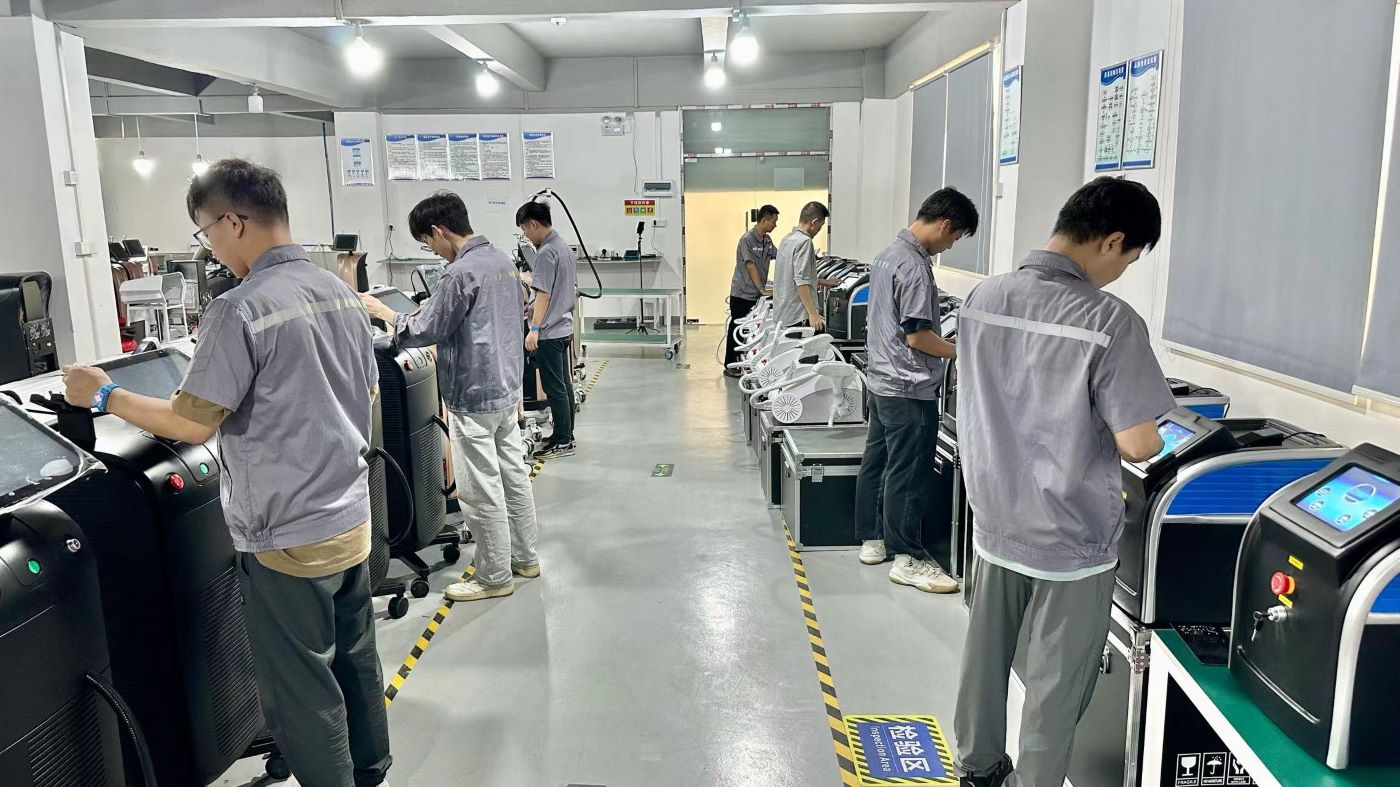
Navigating the regulatory landscape in the UAE requires equipment that meets stringent international standards. All our systems are certified with CE, ISO13485, and RoHS, ensuring they meet the quality benchmarks required by the Dubai Health Authority (DHA) and the Ministry of Health and Prevention (MOHAP).
Guangdong Fickle Beauty: Global Authority in Laser Manufacturing
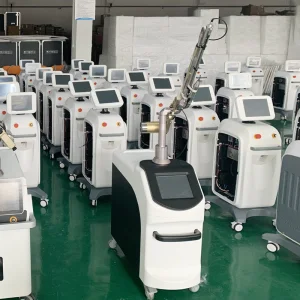
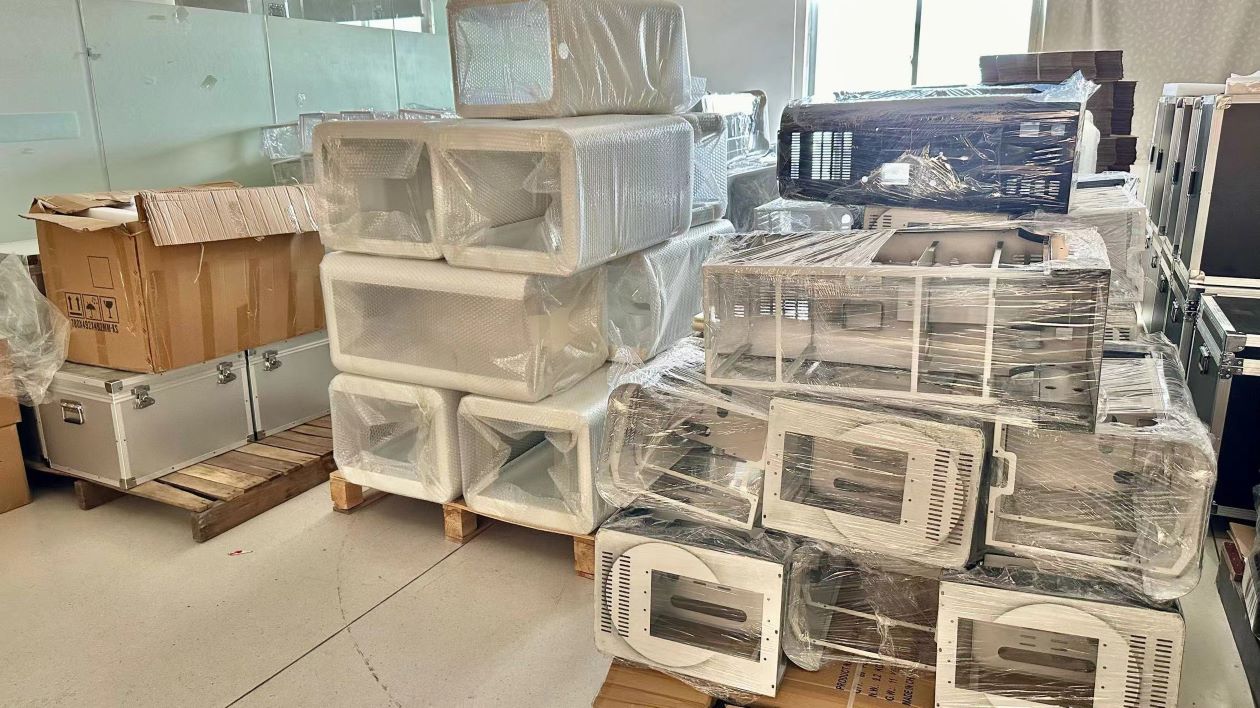
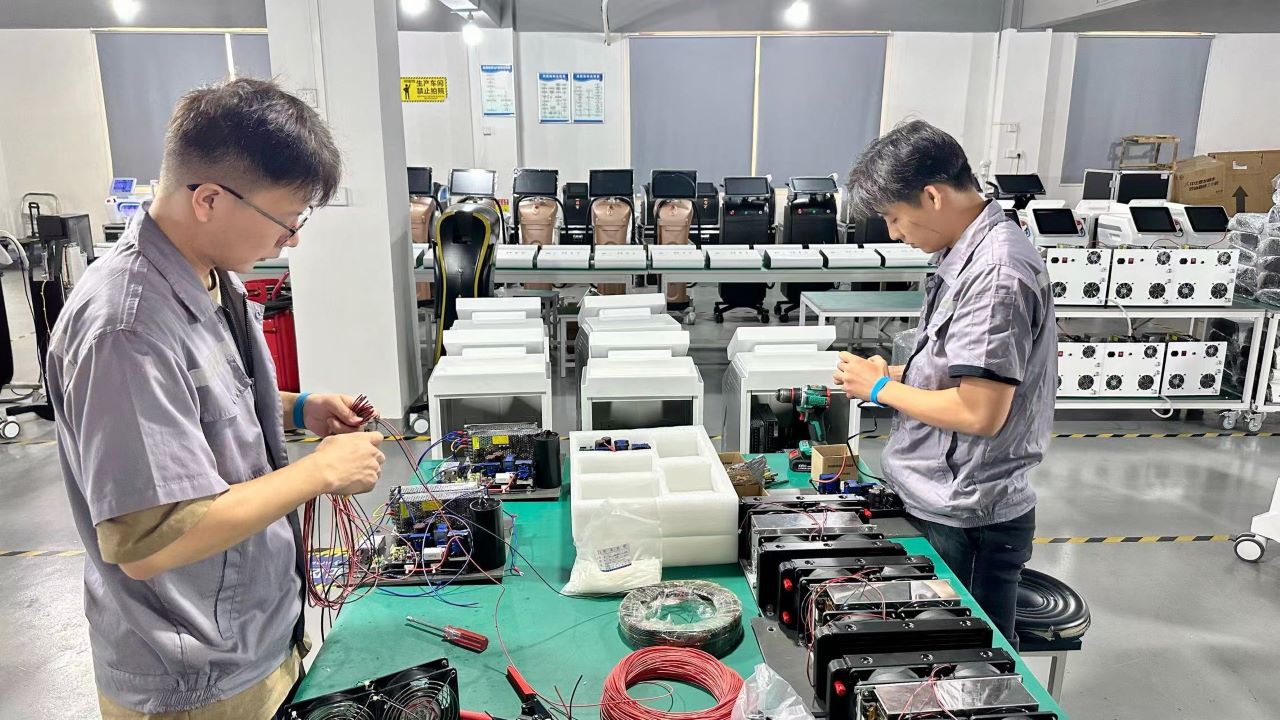
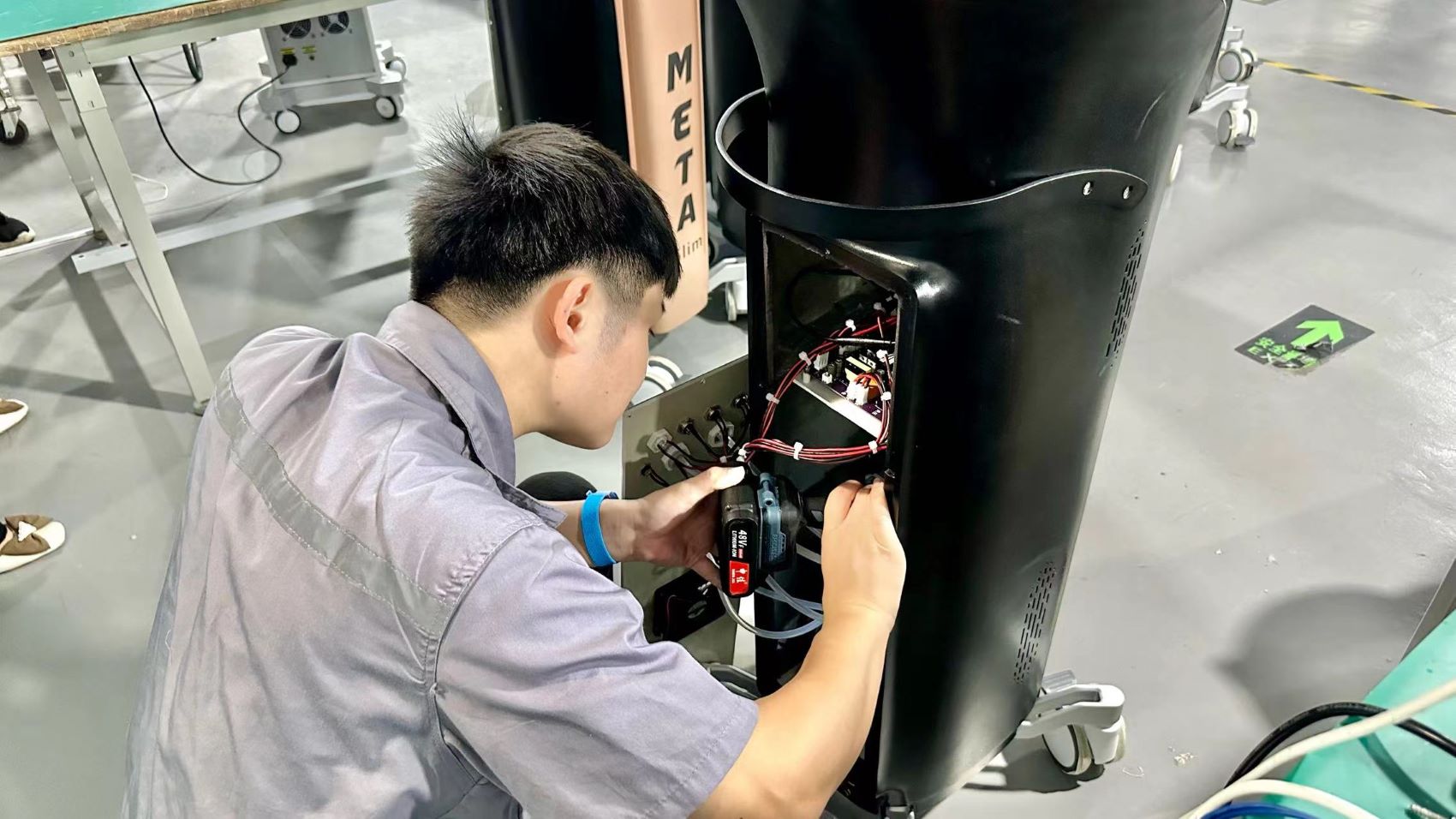
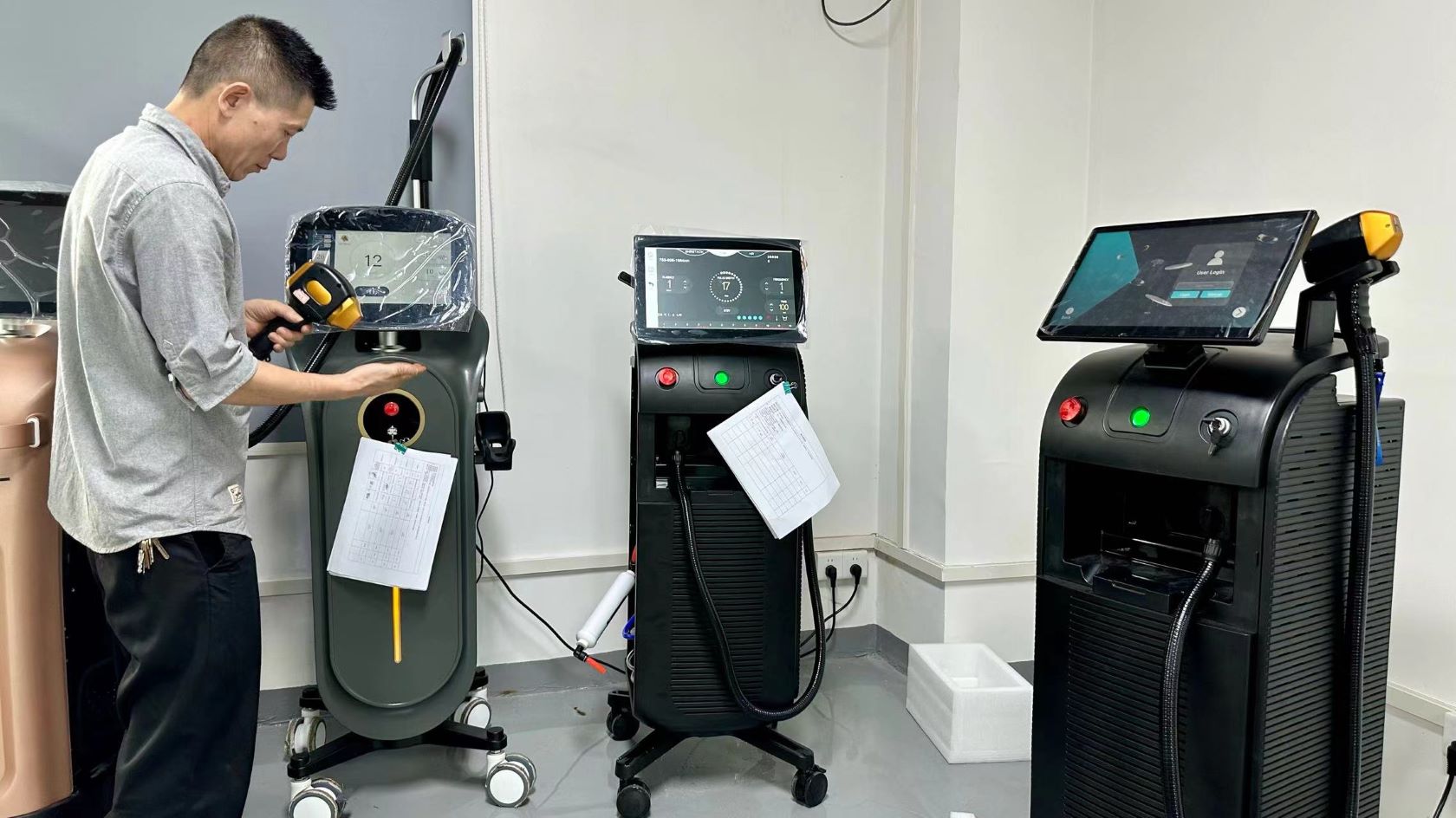
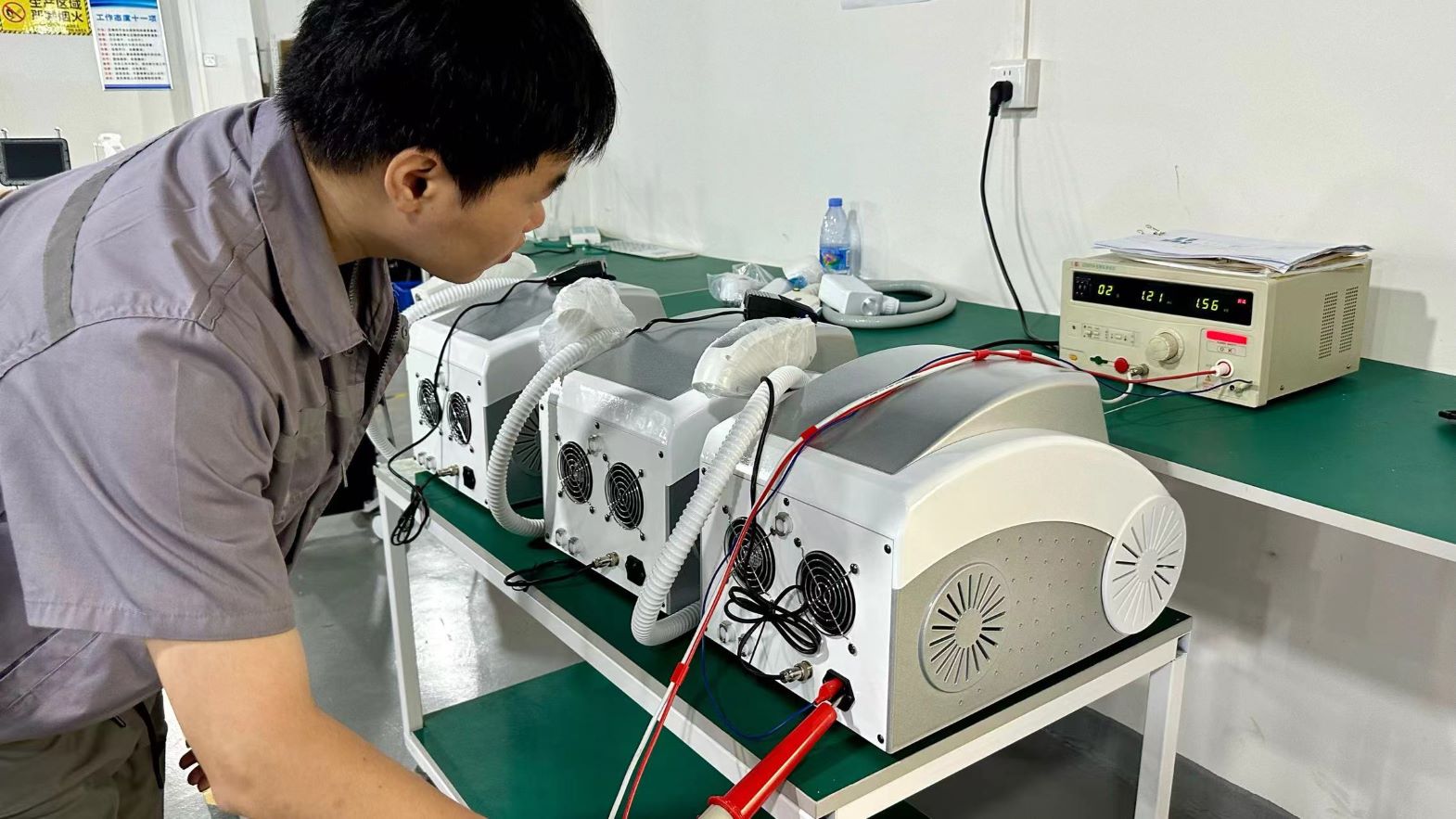
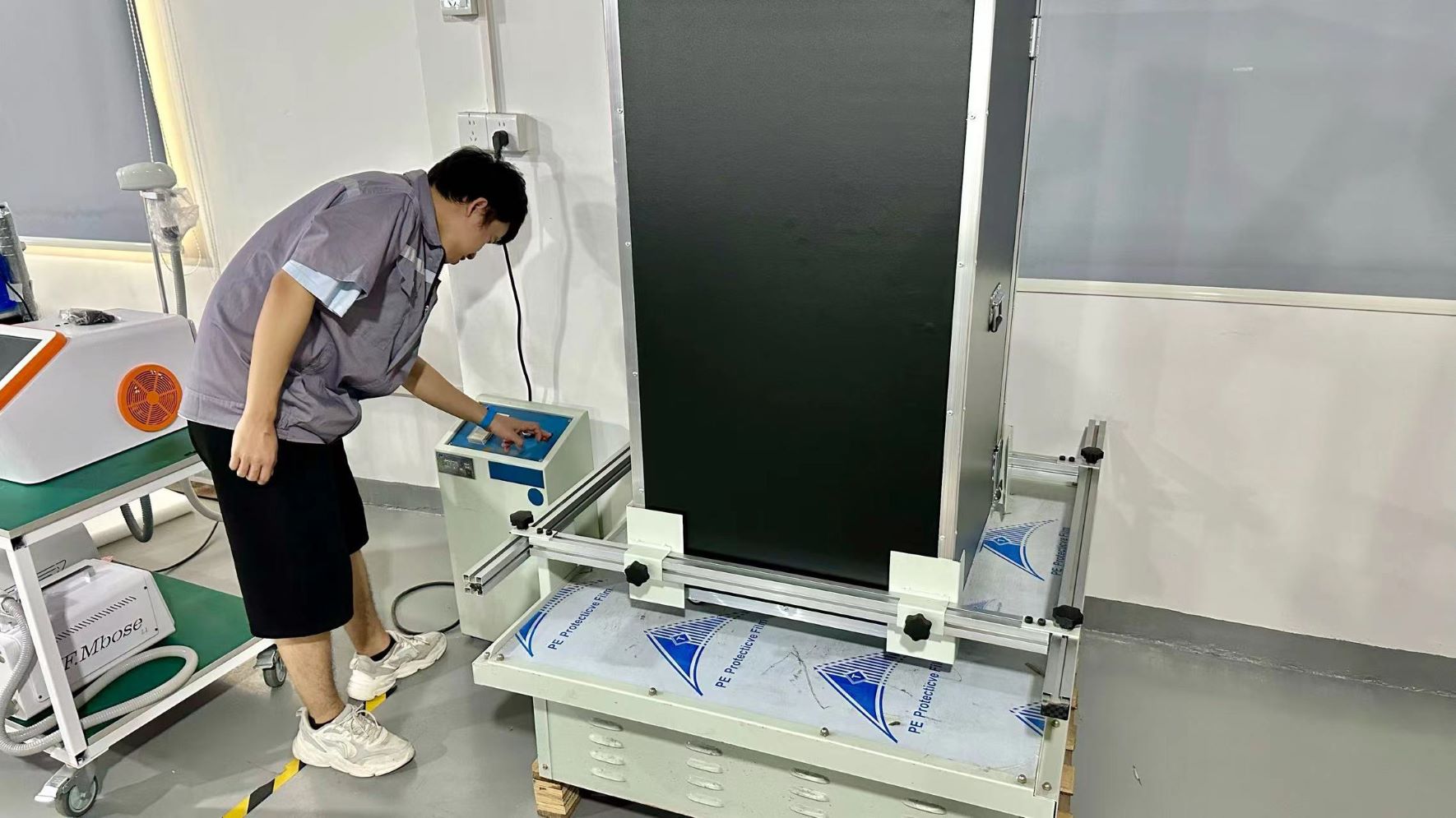
Established in 2003, Guangdong Fickle Beauty Co. Ltd. has evolved from a specialized laboratory in Guangzhou to a global powerhouse in aesthetic technology. Our 15,000 sqm facility houses state-of-the-art production lines that serve distributors across Asia, Europe, and the Middle East.
Our Core Competencies:
- Advanced R&D: We invest 15% of our annual revenue into laser physics and skin interaction research.
- OEM/ODM Solutions: Specialized branding for UAE-based clinic franchises, including custom software languages and ergonomic handpiece designs.
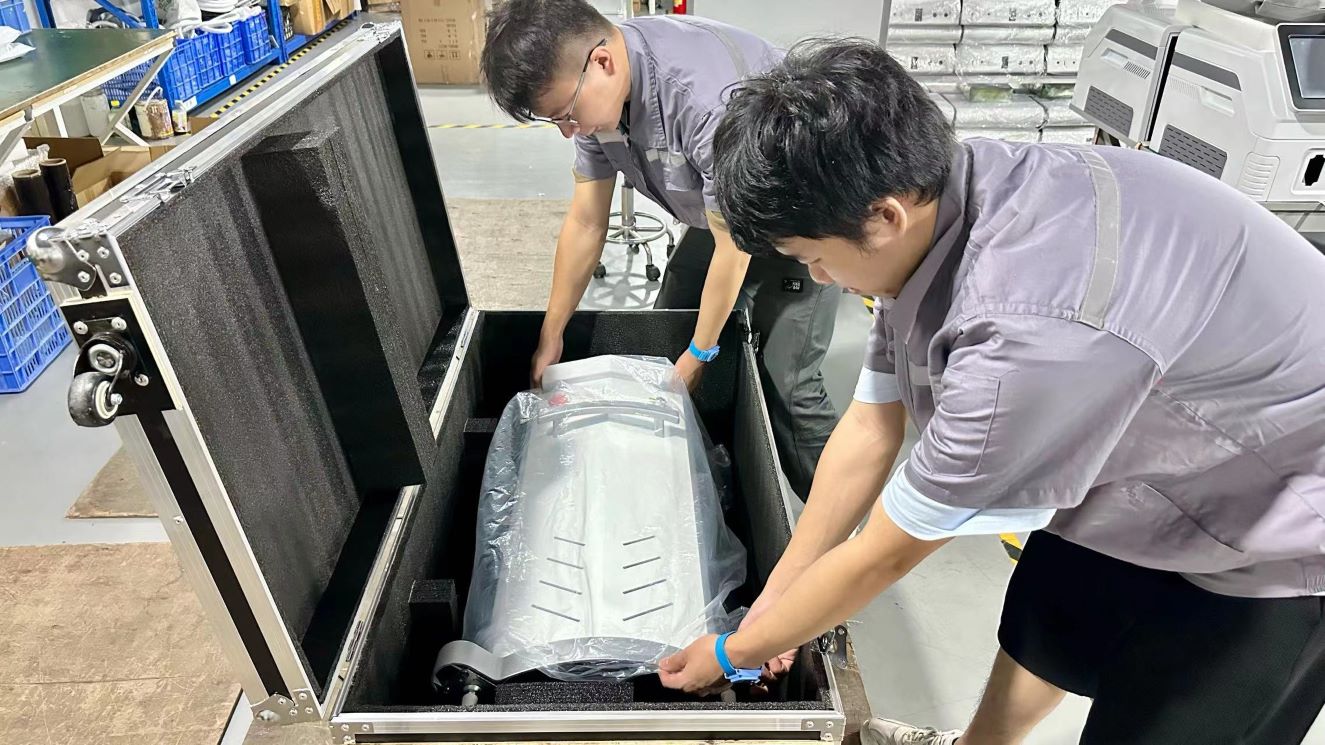
- Global Logistics: Seamless shipping via Jebel Ali Port or DXB Air Cargo, with 95% of orders dispatched within 72 hours.
Technology Roadmap: The Future of Tattoo Removal
Modern tattoo removal has transitioned from slow, painful sessions to the Picosecond era. While traditional Q-Switch lasers use thermal energy to break ink, Picosecond technology uses photoacoustic pressure. This results in smaller ink particles (dust vs. pebbles), fewer sessions, and significantly less downtime—a critical factor for the busy lifestyle of UAE residents.
Macro Industry Solutions for Global Procurement
For large-scale medical groups in Sharjah or Al Ain, we offer Integrated Fleet Management. Our newest 2025 models include AI-driven skin analysis sensors that automatically suggest the optimal fluence and pulse duration based on the patient's melanin levels, reducing the risk of post-inflammatory hyperpigmentation (PIH).