Costa Rica Premier Collection: Core Dermatological Platforms
Engineered for high patient throughput, maximum safety on Fitzpatrick skin types III-VI, and clinically proven efficacy.
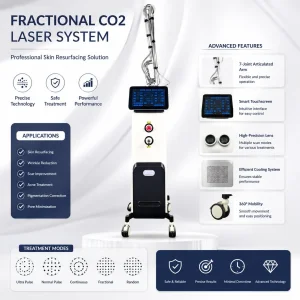
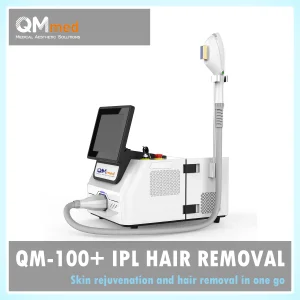
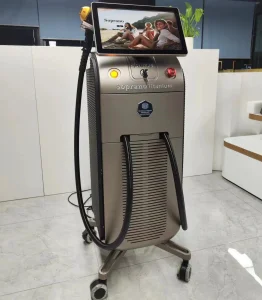
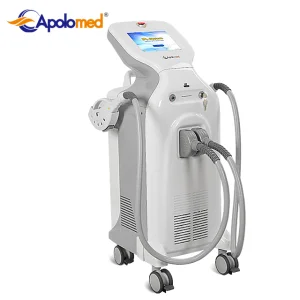
Dermatological Context: The Costa Rican Aesthetic Market Challenge
Costa Rica represents a distinct, high-growth hub in the Latin American aesthetic medical space. Spurred by two powerful drivers—a thriving domestic demand for healthy skin care and a fast-expanding medical tourism sector centered in San José, Escazú, and Guanacaste—local clinics are encountering patients with complex pigmentary profiles.
The geographical positioning of Costa Rica exposes its population to high levels of solar radiation throughout the year, with UV indexes frequently exceeding 11+. Consequently, conditions like melasma (locally termed "paño"), actinic lentigines, solar elastosis, and post-inflammatory hyperpigmentation (PIH) are prevalent. Clinically, treating pigmentation in this region requires caution: the Costa Rican population predominantly features Fitzpatrick Skin Phototypes III through V. High-energy devices must offer precise energy control and thermal mitigation to avoid causing post-treatment PIH or hypopigmentation.
As a premier global developer, Guangdong Fickle Beauty Co. Ltd. supplies advanced medical-grade pigmentation removal systems equipped with active cooling technology and tunable pulse durations to meet the strict clinical requirements of Costa Rican dermatologists.
Equatorial UV Exposure Issues
Costa Rica's geographic location results in high UV exposure, requiring clinics to employ pigmentation removal platforms that safely treat sun damage and solar lentigines without thermal overload.
Medical Tourism Center
Aesthetic clinics in San José and Escazú cater to international patients seeking high-tech procedures, making FDA-compliant, TUV-certified laser systems essential.
Fitzpatrick III-V Focus
Treating skin phototypes III-V requires precise control, like that offered by picosecond and nanosecond pulse configurations, to minimize thermal damage.
Technology Roadmap: Picosecond vs. Q-Switched vs. CO2 vs. IPL
Understanding the clinical mechanisms of selective photothermolysis and acoustic shockwaves in pigment destruction.
Modern aesthetic medicine uses different wavelengths and pulse widths to target melanin. To assist clinics, medical directors, and distributors in Costa Rica, we present a technical comparison of the mainstream clinical approaches:
| Technology Platform | Primary Wavelengths | Pulse Width Range | Mechanism of Action | Optimal Aesthetic Applications | Risk Level (Fitzpatrick IV-V) |
|---|---|---|---|---|---|
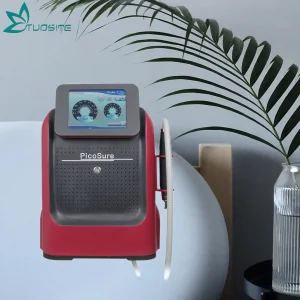
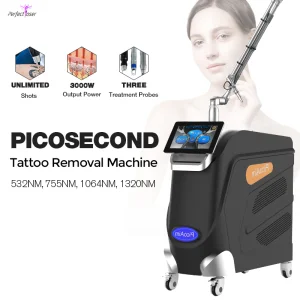
| Picosecond Nd:YAG | 1064nm, 532nm, 755nm | 450ps - 750ps | Photo-acoustic shockwave fragmentation (shatters pigment into dust) | Refractory melasma, deep tattoo removal, post-inflammatory hyperpigmentation | Very Low (minimal thermal diffusion) |
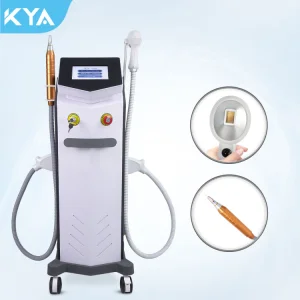
| Q-Switched Nd:YAG | 1064nm, 532nm | 5ns - 10ns | Combined photothermal and photoacoustic lysis | Becker's nevus, tattoo removal, dermal melanosis, carbon peeling | Low to Moderate (requires correct cooling) |
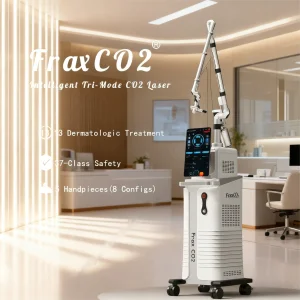
| Fractional CO2 Laser | 10600nm | Microseconds (fractionated) | Ablative photothermal micro-channel creation & epidermal renewal | Acne scars, deep wrinkles, actinic keratosis, age spot rejuvenation | High (requires strict pre/post care) |
| Intense Pulsed Light (IPL) | 515nm - 1200nm (broadband) | Milliseconds | Photothermal destruction of targeted superficial chromophores | Epidermal freckles, telangiectasia, rosacea, generalized photodamage | Moderate to High (restricted to Fitzpatrick I-III) |
Choosing the correct technology depends on target tissue depth. Epidermal pigments (like freckles and sun spots) respond well to IPL and 532nm laser wavelengths. Dermal pigments (like tattoo inks and deep melasma) require the deep penetration of the 1064nm wavelength. The introduction of picosecond technology has reduced treatment risk for darker skin types by minimizing the heat left in surrounding tissue, utilizing mechanical energy rather than heat to break up pigmentation.
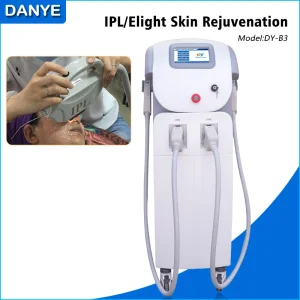
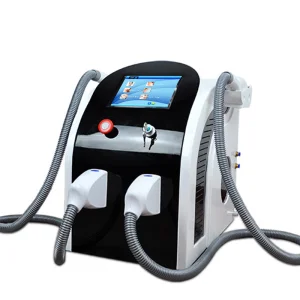
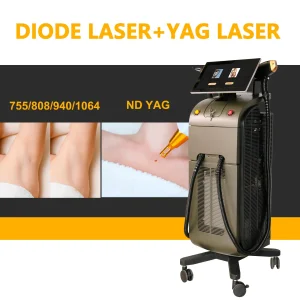
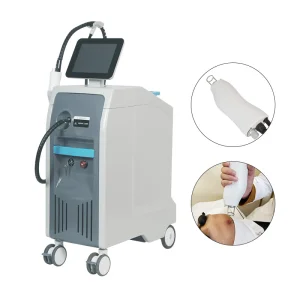
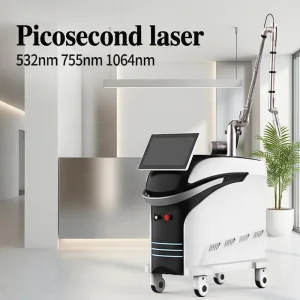
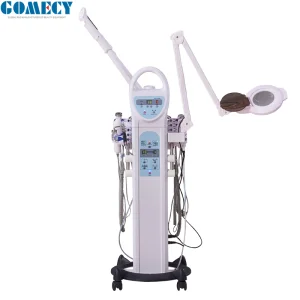
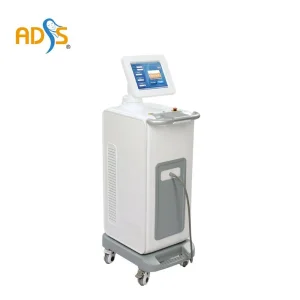
Advanced Aesthetics: High-Power Picosecond & Multi-Platform Systems
Broaden your clinic's capabilities with targeted skin rejuvenation, deep tissue remodeling, and tattoo removal technology.
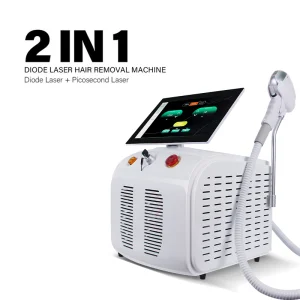
Guangdong Fickle Beauty Co. Ltd.: Global Leader in Aesthetic Technology
Established in 2003 | Quality-Assured Production | Direct OEM & ODM Support
Established in 2003 in Guangzhou, China, Guangdong Fickle Beauty Co. Ltd. is an aesthetic medical device manufacturer with two decades of experience in the design, development, and manufacture of advanced light-based systems. Our products are exported to professional clinics, distributors, and spa networks worldwide across Asia, Europe, North America, South America, and Africa.
All of our systems carry certifications including CE, ISO 13485, RoHS, TUV, and LVD. This compliance documentation is designed to assist Costa Rican clients during registration with the Ministerio de Salud de Costa Rica, simplifying the import process for medical equipment.
Whether you require localized user interfaces in Spanish, dual-voltage power configuration (110V/60Hz standard for Costa Rica), custom outer casings, or integrated branding, our dedicated R&D team can deliver optimized systems to support your business.
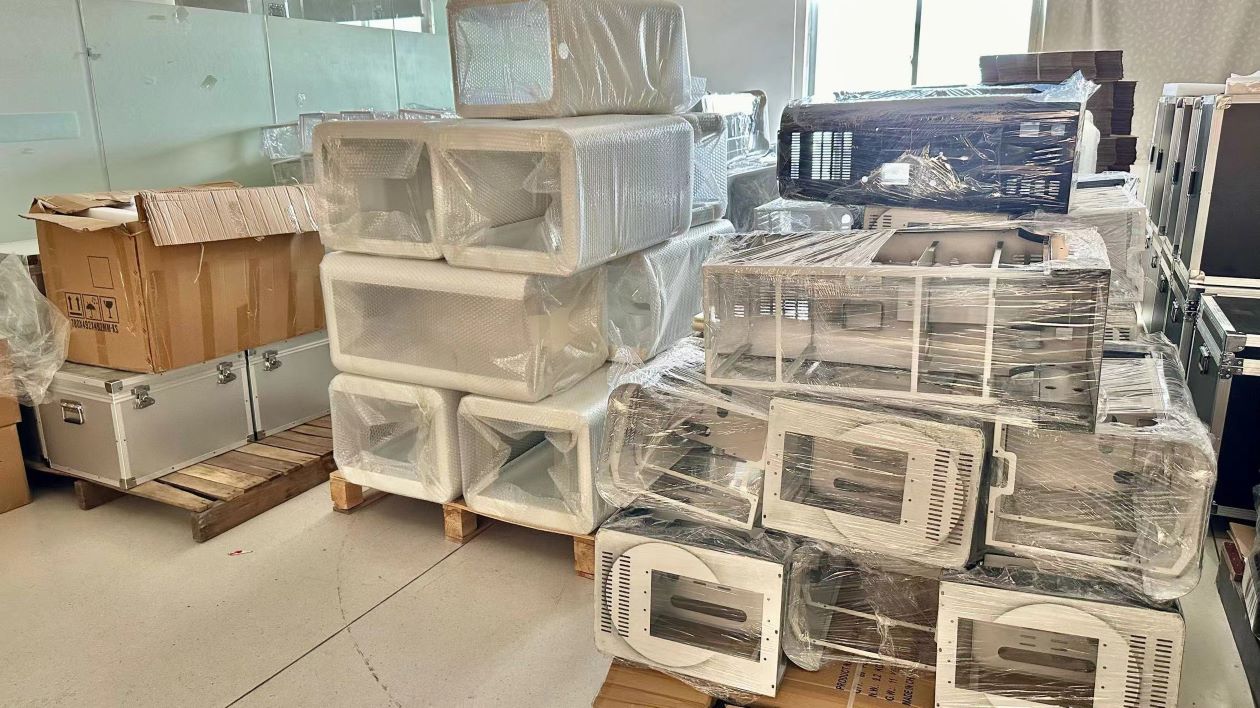
Industrial Supply Chain Resilience & Manufacturing Quality Control
Our 11-step manufacturing process ensures that every device meets clinical standards for safety, performance, and durability.
Aesthetic lasers are precision optical instruments that depend on aligned cavity components, stable power electronics, and efficient cooling systems. A minor failure in a power supply or alignment mirror can cause treatment inconsistency or device downtime. We address this by applying a comprehensive inspection, assembly, and testing process to every machine before it leaves our facility.
1. Raw Materials
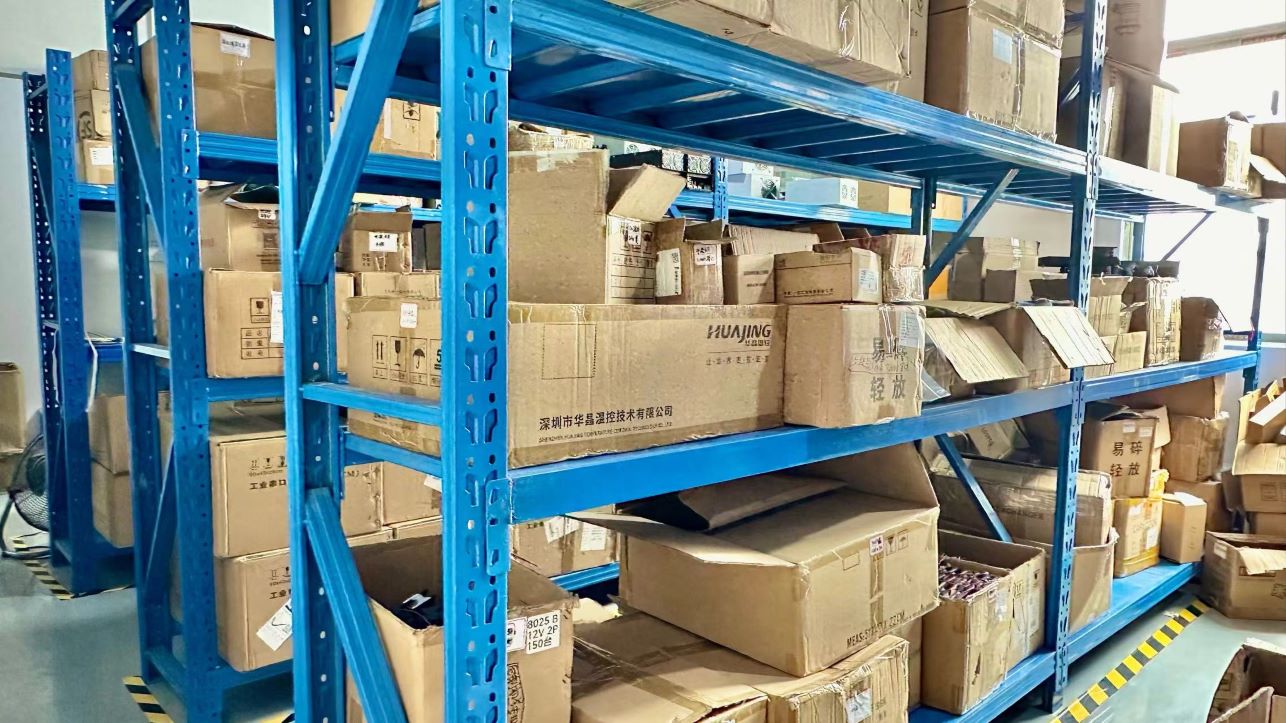
2. Raw Materials Storage
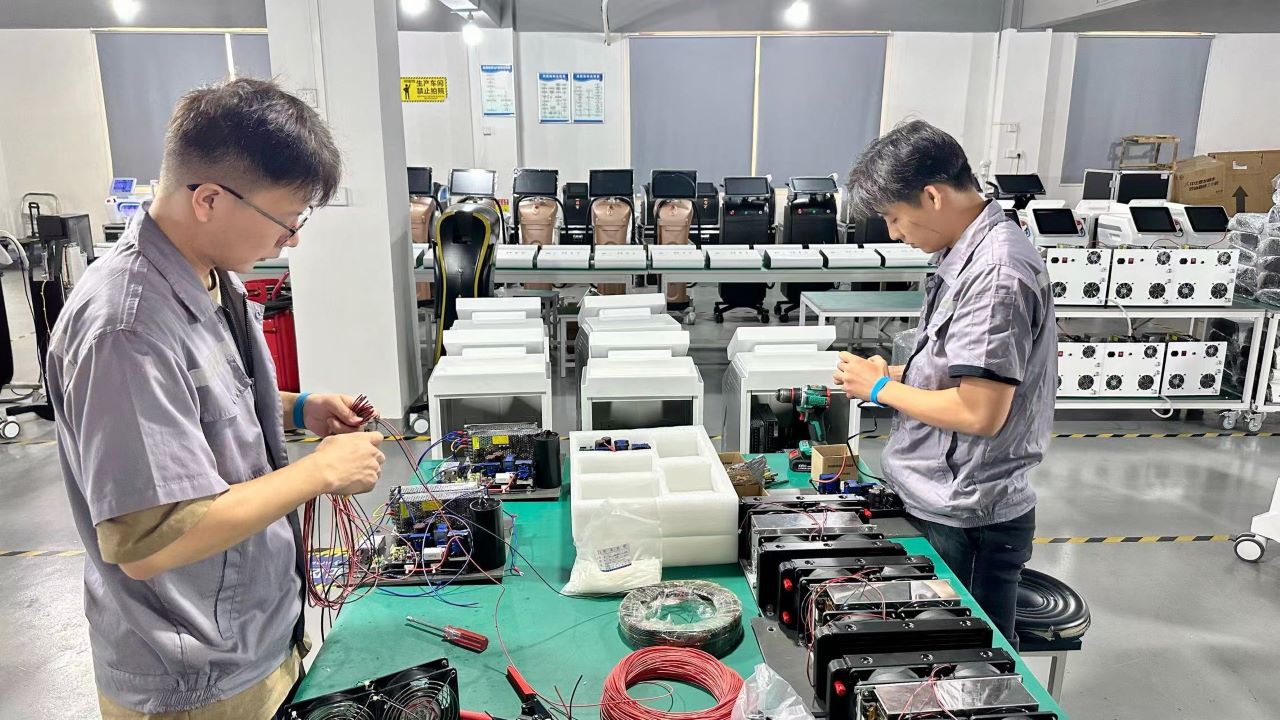
3. Component Assembly
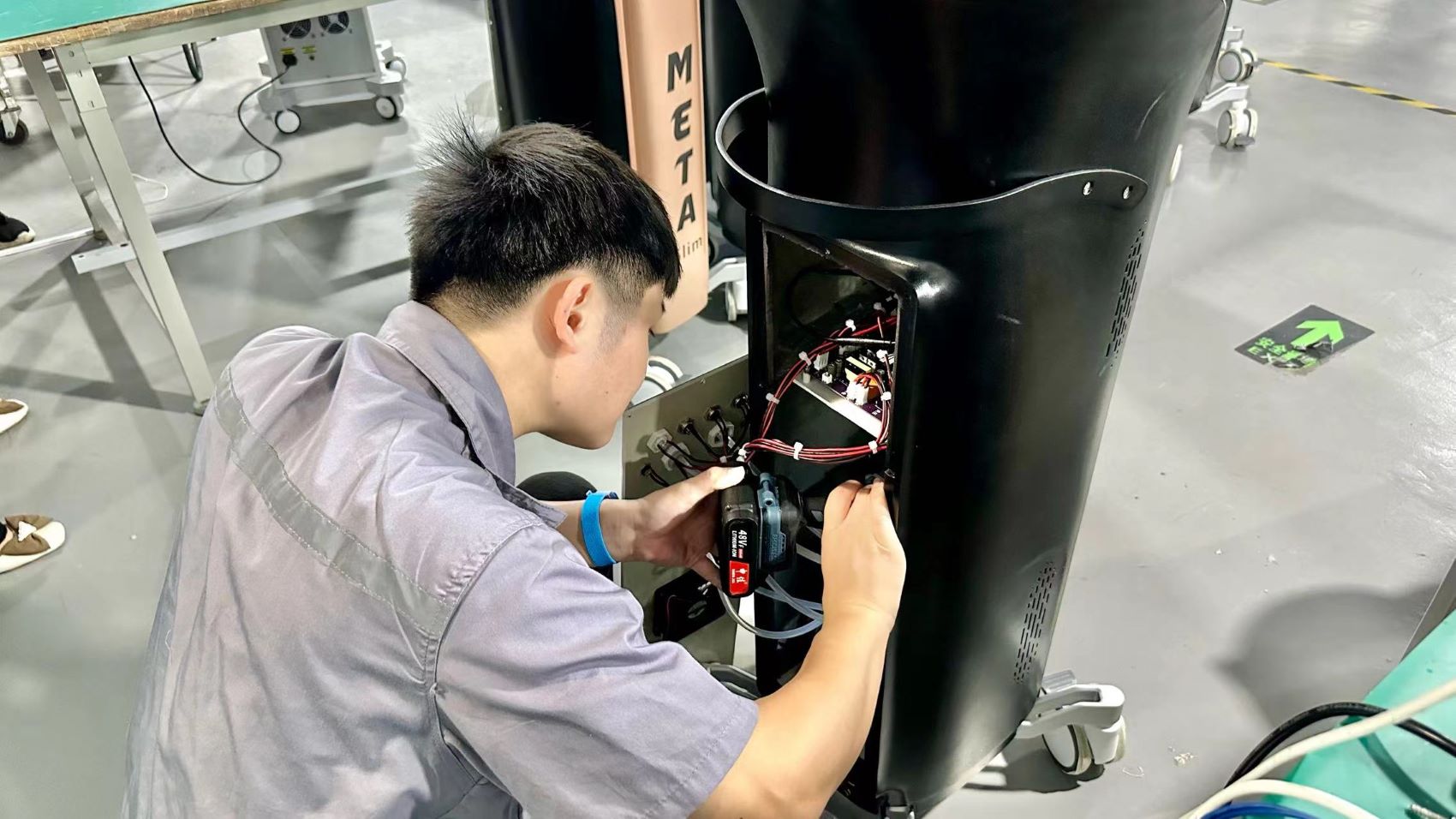
4. Product Assembly
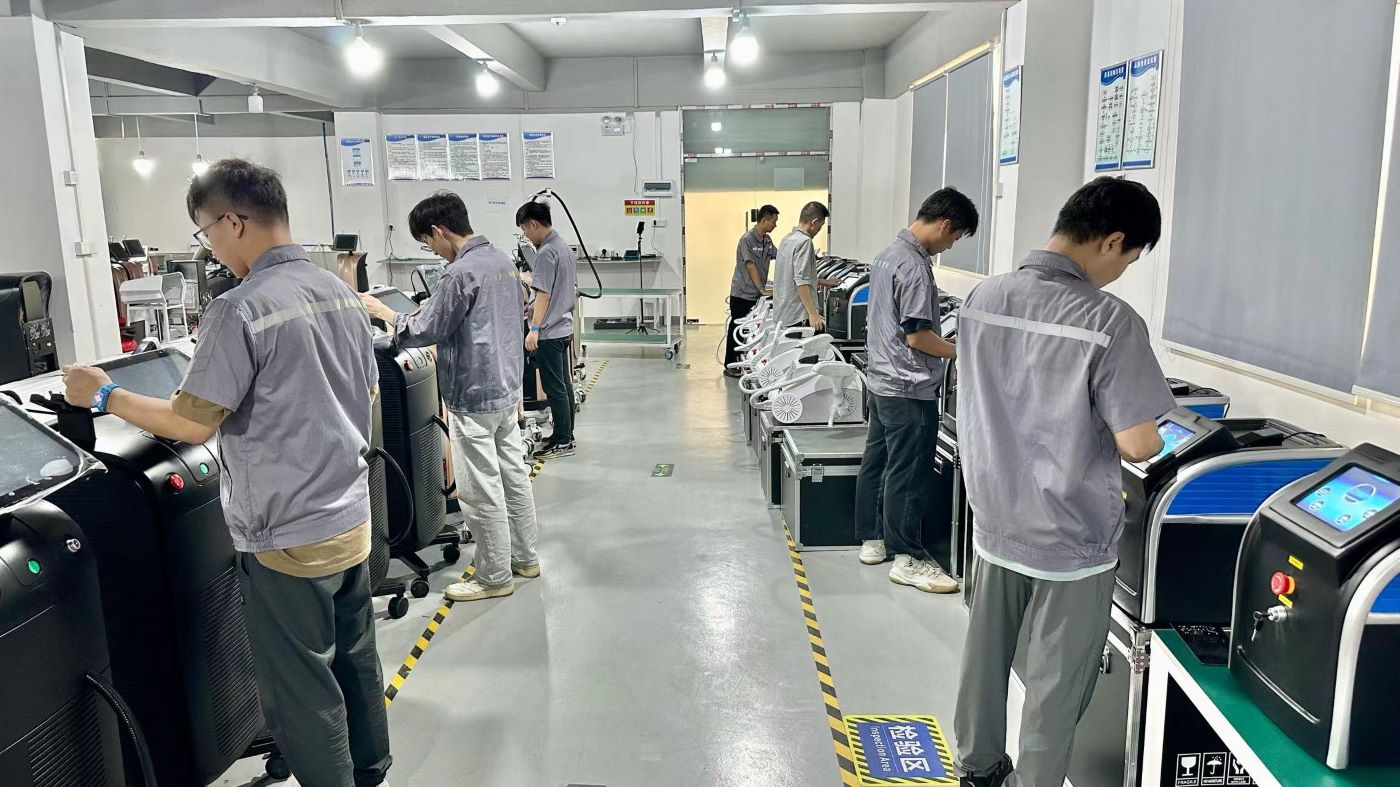
5. Function Test & Inspection
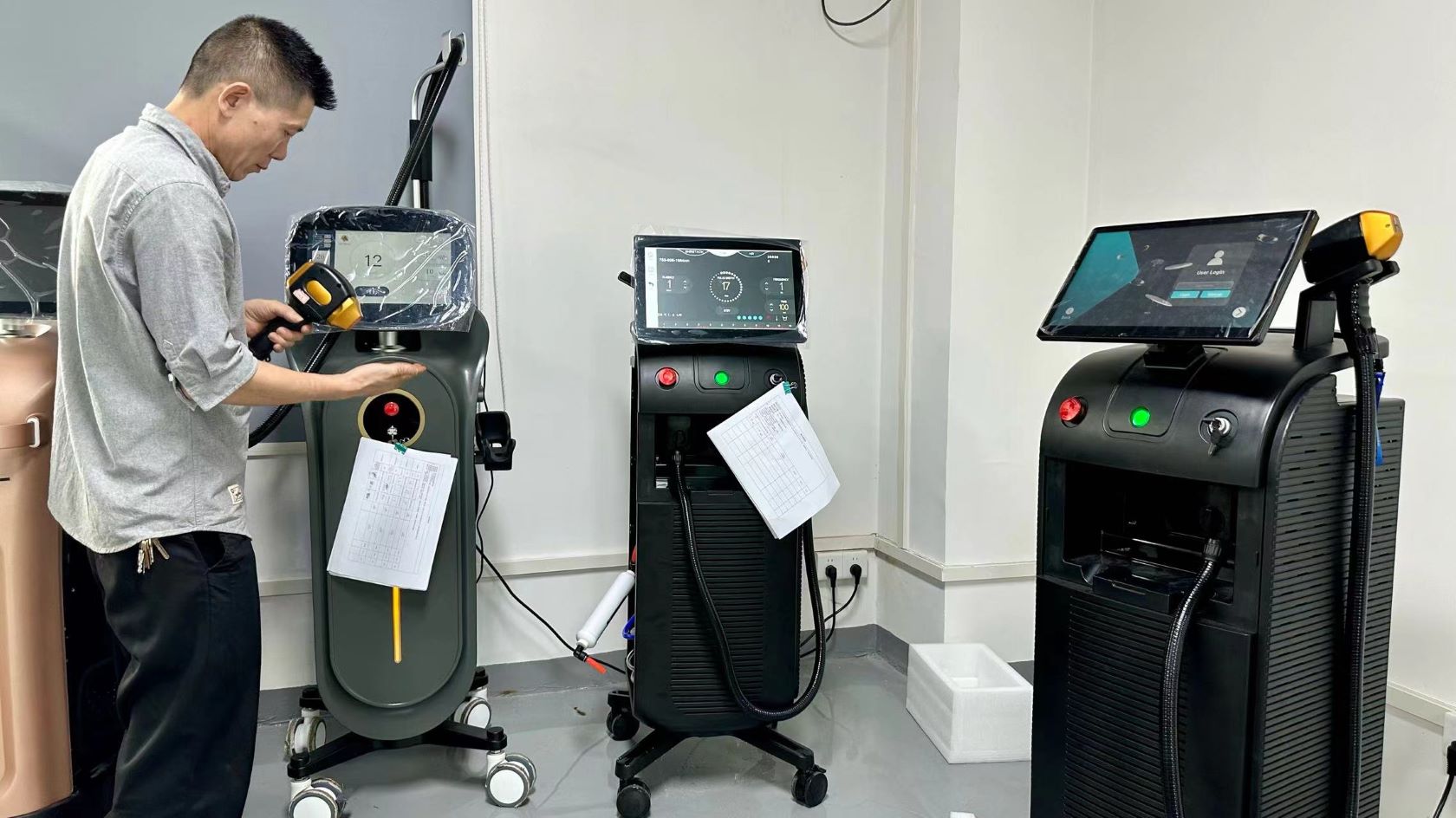
6. Laser Cavity Aging
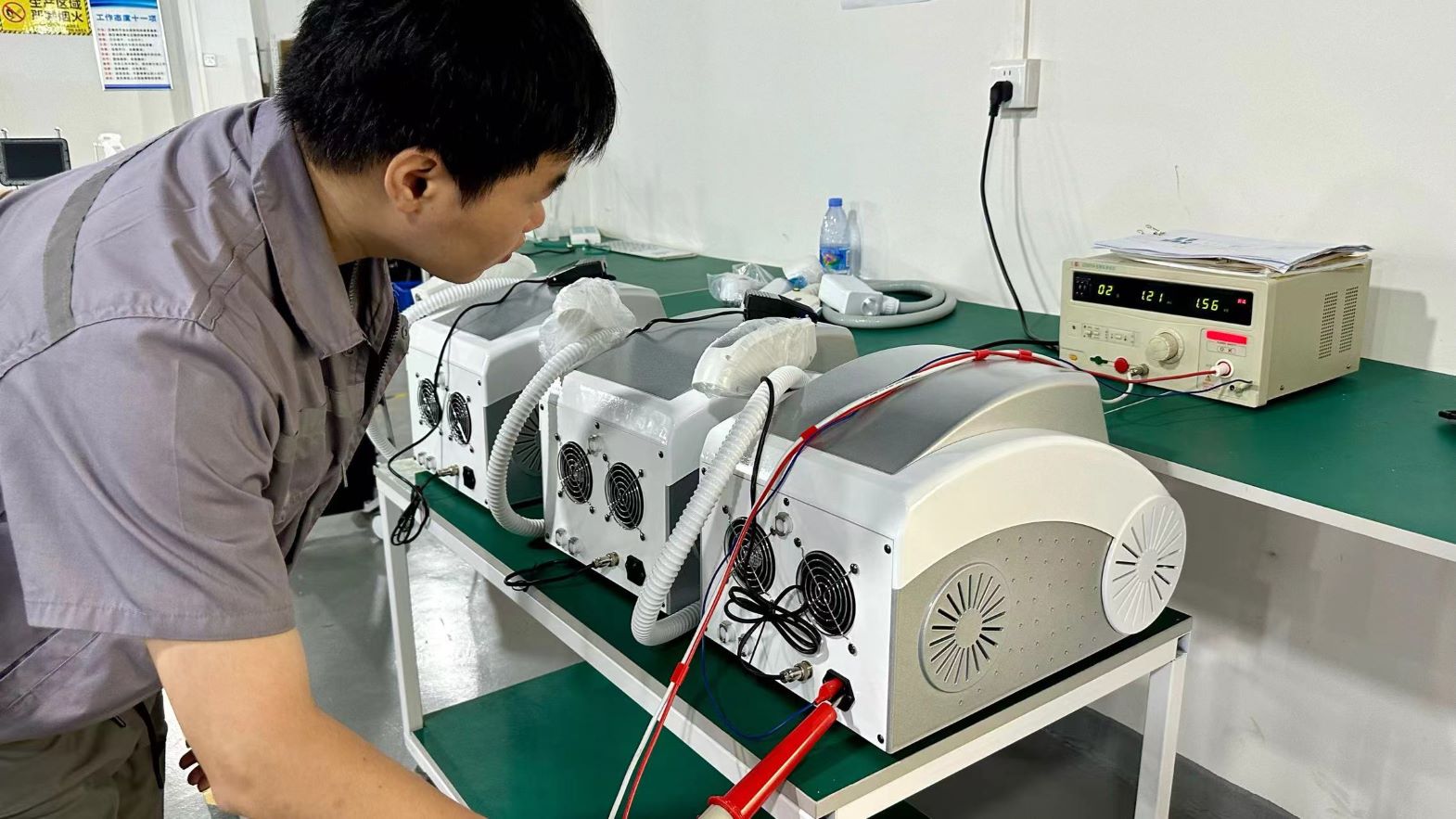
7. Output Calibration & Testing
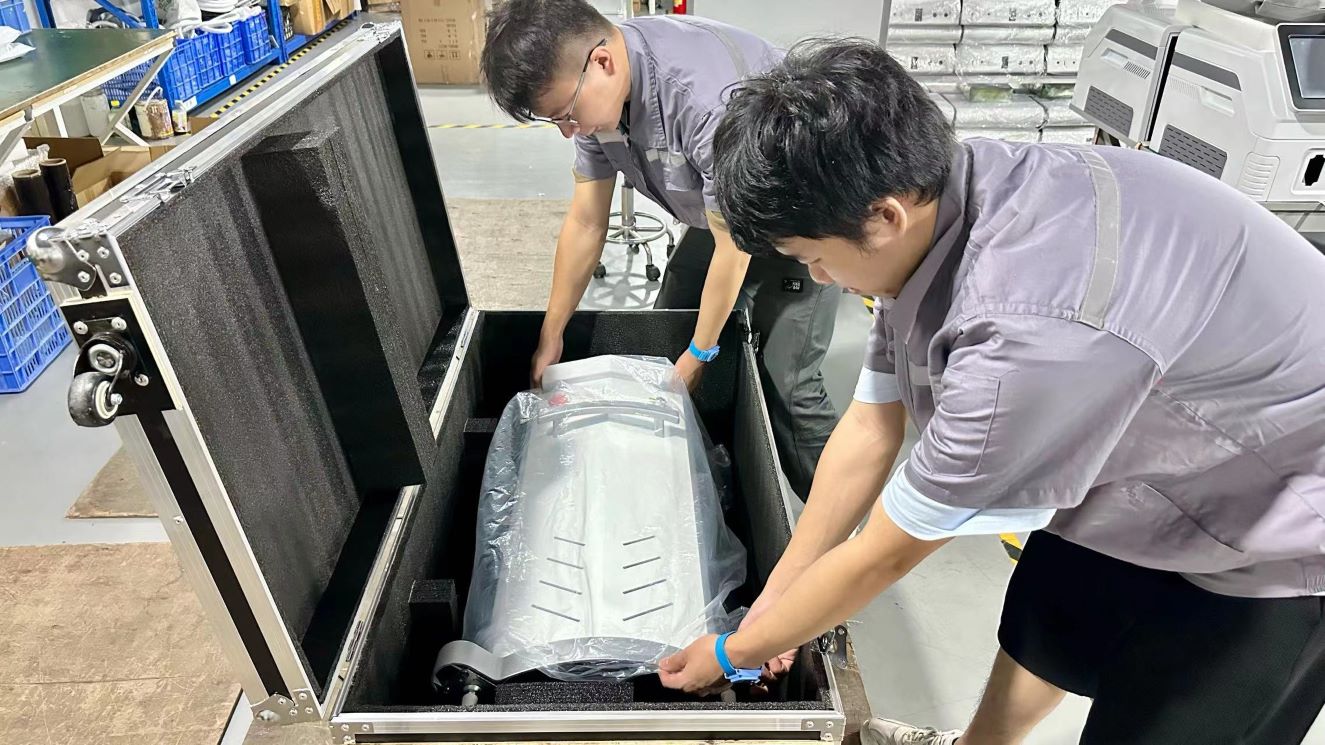
8. Protective Packing
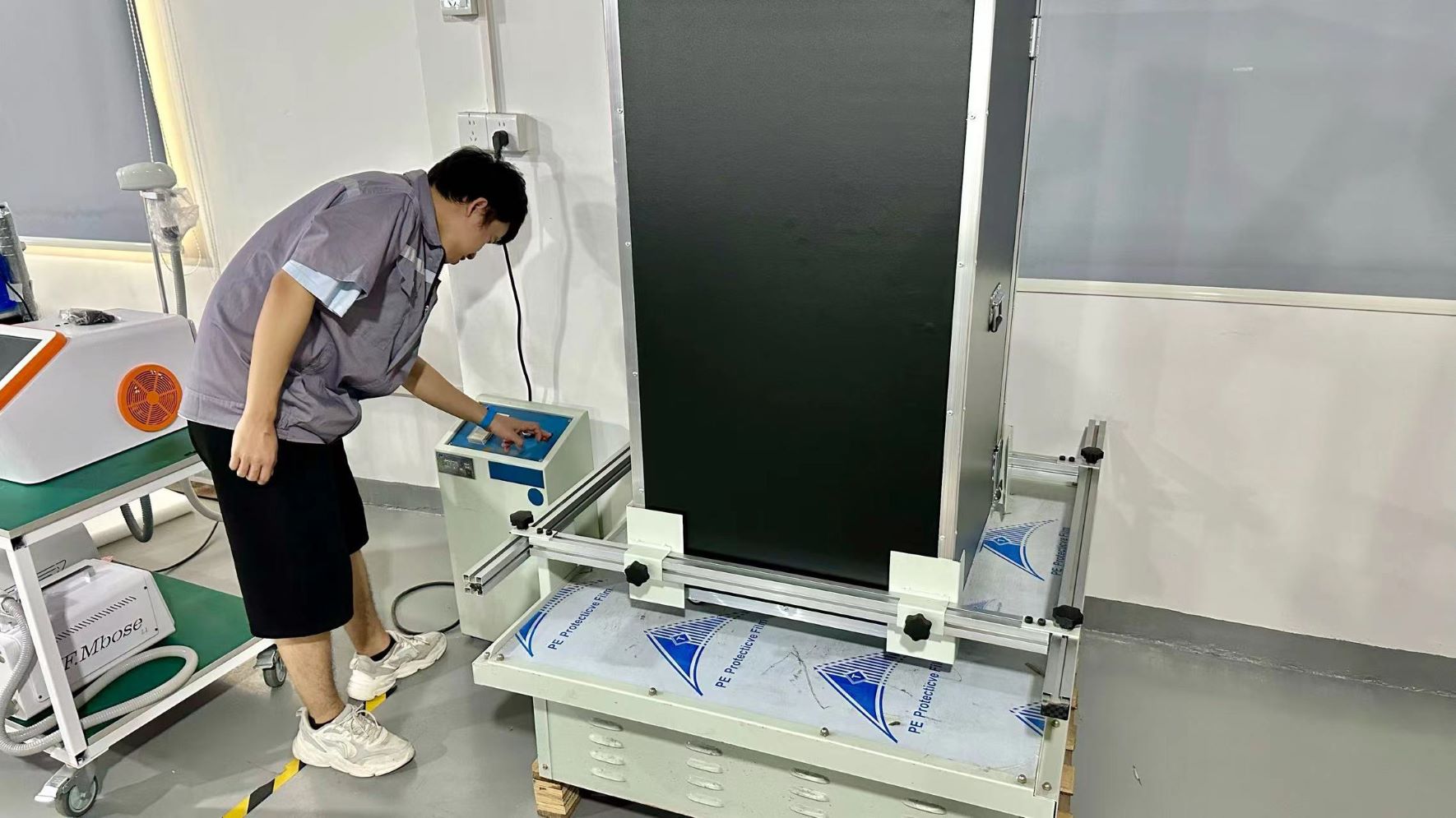
9. Transit Shock Test
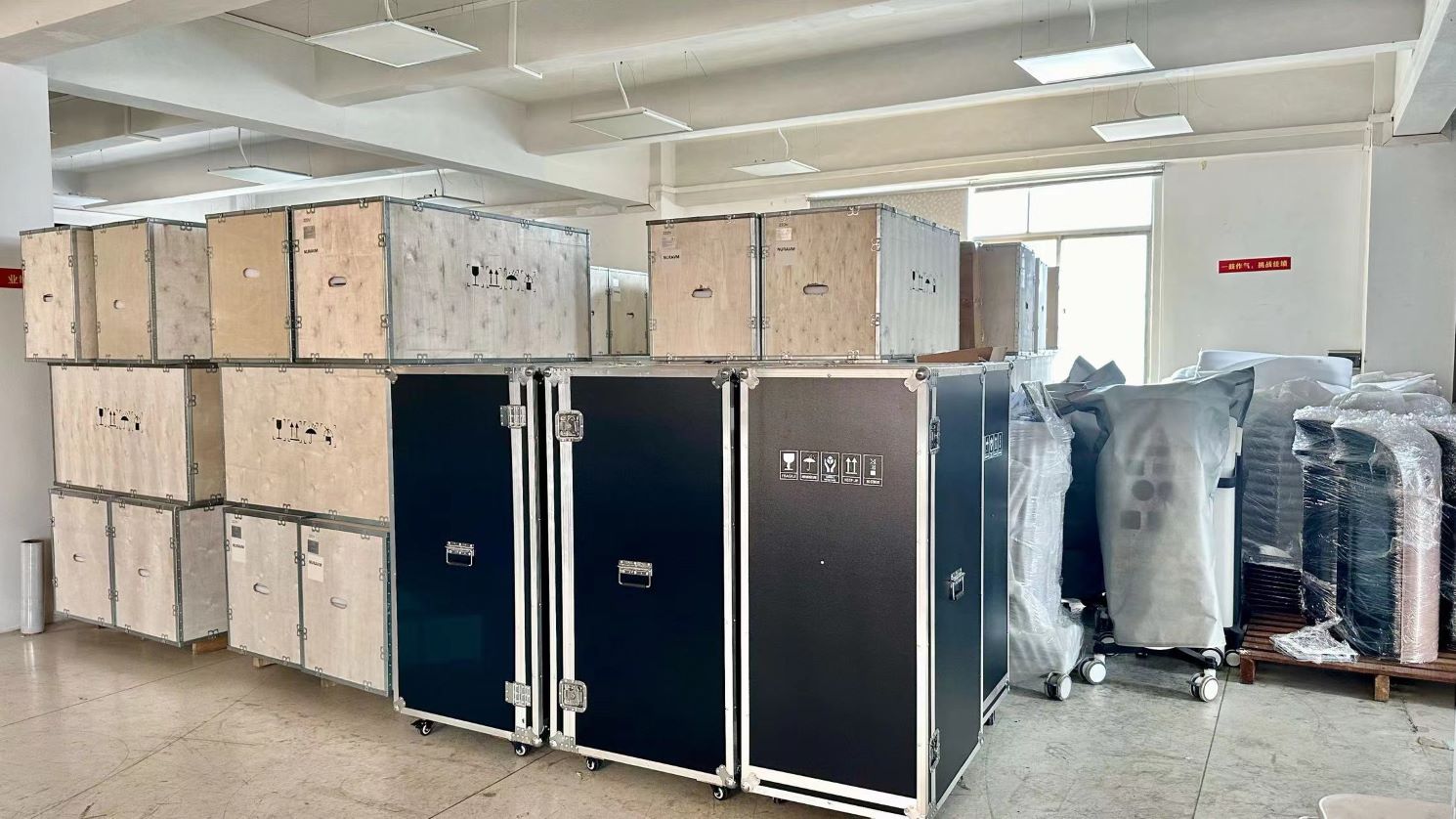
10. Finished Goods Storage
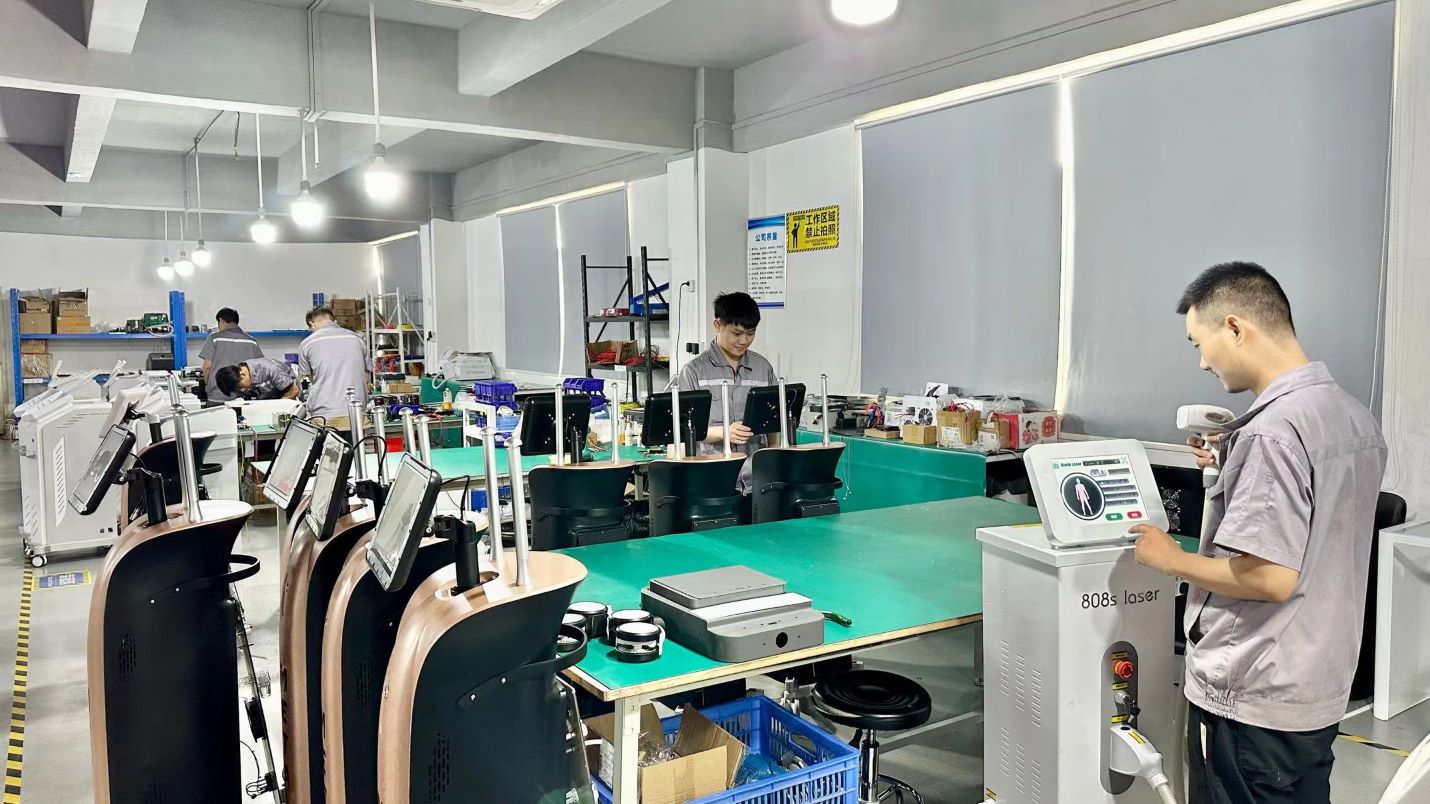
11. Final Assembly Line
Costa Rica Support Network & Logistics Security
Providing technical training, fast shipping, and warranty coverage to protect your device investment.
One-Stop Solutions for Aesthetic Businesses
Operating an aesthetic clinic in Central America requires more than purchasing machinery; it relies on predictable shipping times, technical training, and reliable customer service. We align our logistical support with your operational requirements:
- ✔ Fast Shipping & Logistics: Our parts inventory allows us to ship 95% of standard orders within 3 days, with urgent orders processed within 24 hours. We partner with air freight services (DHL, FedEx, UPS) to deliver directly to San José (SJO) or Daniel Oduber Quirós (LIR) airports.
- ✔ Comprehensive Warranty: We offer a 1-year warranty for main systems, a 6-month warranty on handpieces, consumables, and spare parts, and lifetime technical support.
- ✔ Clinical Video Training: We provide 24-hour video training modules, direct calls with clinical staff, and detailed protocols to help your operators use the systems safely.
Clinical & Commercial FAQ: Direct Expert Insights
Answers to common clinical, operational, and import questions for aesthetic providers in Costa Rica.
Which wavelength is most effective for treating melasma on skin types common in Costa Rica?
For Costa Rica's Fitzpatrick III-V skin types, the 1064nm Nd:YAG wavelength in a picosecond configuration is the preferred clinical standard. Unlike shorter wavelengths or IPL, 1064nm penetrates deeper, bypassing epidermal melanin to target deep pigment deposit sites. This reduces the risk of post-inflammatory hyperpigmentation (PIH).
What documentation do I need to register a Fickle Beauty machine with the Ministerio de Salud de Costa Rica?
We supply a full documentation package, including CE certification, ISO 13485 certification, RoHS test reports, and technical manuals. These documents can be submitted to your importing agent or legal representative in Costa Rica to facilitate registration as a medical or cosmetic device.
Do your aesthetic platforms support the local Costa Rican electrical grid?
Yes. Although our standard machines are configured for European grids, we offer power customization options. We can configure systems for the 110V-120V / 60Hz single-phase electrical supply commonly found in Costa Rican clinics, avoiding the need for heavy external step-up transformers.
How does picosecond technology improve treatment speed for tattoo removal?
Picosecond systems deliver laser energy in pulses lasting trillionths of a second. This rapid pulse creates photo-acoustic shockwaves that shatter tattoo ink particles into smaller fragments than nanosecond lasers, allowing the body's lymphatic system to clear the pigment more quickly and reducing the total number of treatment sessions needed.
Professional Aesthetics Catalog
Explore our full line of light-based and energy-based medical devices for dermatological care.